Who Pays for Tenant Improvements?
If you’re leasing a commercial property for a new office, retail store, restaurant, or medical practice, one of the biggest questions you’ll face is: Who pays for tenant improvements?
The answer depends on the terms of your commercial lease. In some cases, the landlord covers part or all of the improvement costs through a Tenant Improvement (TI) Allowance. In other situations, the tenant pays for the entire build-out or shares the costs with the property owner.
Understanding how tenant improvements are funded can help you negotiate a better lease, avoid unexpected expenses, and plan your construction budget with confidence.
What Are Tenant Improvements?
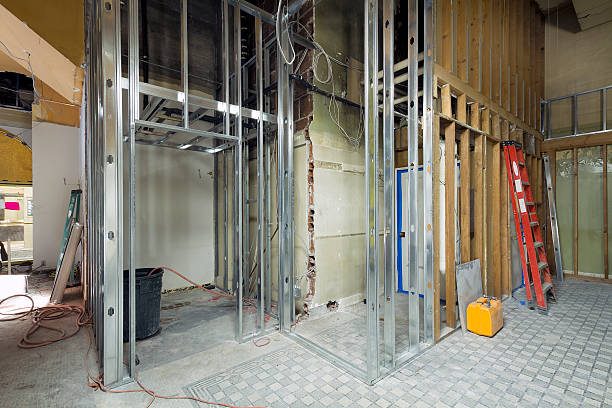
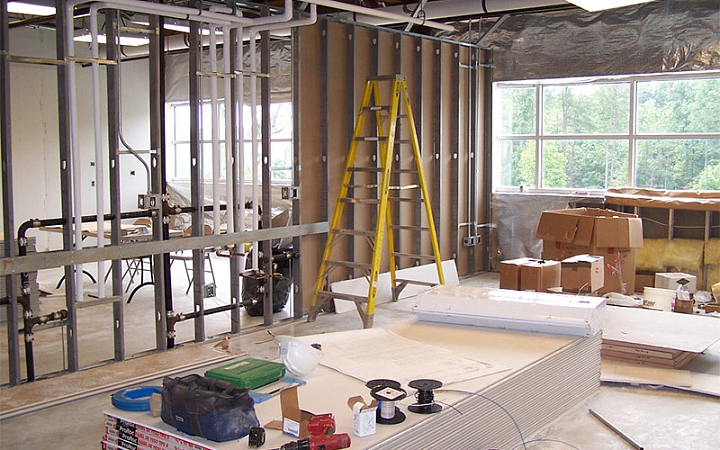
Tenant improvements (TIs) are the interior modifications made to a commercial space so it meets the needs of a specific business.
Common tenant improvements include:
- Interior walls and partitions
- Flooring installation
- Painting
- Ceiling installation
- Lighting upgrades
- Electrical outlets and wiring
- Plumbing modifications
- HVAC adjustments
- Reception areas
- Conference rooms
- Break rooms
- Built-in cabinetry
- Accessibility improvements
These improvements transform a basic commercial space into a fully functional workplace.
Who Typically Pays?
There is no single answer. Payment depends on the lease agreement and negotiations between the landlord and tenant.
1. Landlord Pays Through a Tenant Improvement Allowance
One of the most common arrangements is a Tenant Improvement Allowance (TIA).
A TIA is a set amount the landlord contributes toward the cost of building out the space. The allowance is often based on the size of the property, such as a dollar amount per square foot.
For example:
- $20–$60 per square foot for standard office spaces (varies by market)
- Higher allowances may be offered for long-term leases or premium properties
If the total construction cost stays within the allowance, the landlord typically covers those expenses.
2. Tenant Pays the Remaining Balance
If the build-out costs exceed the tenant improvement allowance, the tenant usually pays the difference.
For example:
- Tenant Improvement Allowance: $40,000
- Total Build-Out Cost: $55,000
- Tenant Contribution: $15,000
This is a common arrangement in commercial leasing.
3. Tenant Pays for All Improvements
In some leases—especially for smaller spaces or shorter lease terms—the landlord may provide no allowance.
In these cases, the tenant is responsible for all costs related to:
- Design
- Permits
- Construction
- Materials
- Fixtures
- Finishes
Although this increases upfront costs, tenants often gain greater flexibility in designing the space.
4. Landlord Completes the Build-Out
Sometimes the landlord agrees to complete the improvements before the tenant moves in.
This arrangement is common when:
- The improvements increase the property’s long-term value.
- Multiple future tenants could use the same layout.
- The tenant signs a long-term lease.
The exact scope of work should be clearly outlined in the lease agreement.
What Does a Tenant Improvement Allowance Cover?
Depending on the lease, a TIA may include:
- Construction labor
- Drywall and framing
- Flooring
- Paint
- Ceiling systems
- Lighting
- Electrical work
- Plumbing
- HVAC modifications
- Permits
- Architectural or engineering fees (in some cases)
Always review your lease carefully to understand what is included and what is excluded.
What Expenses May Not Be Covered?
Some costs are commonly excluded from the allowance, such as:
- Office furniture
- Computers and IT equipment
- Business signage
- Security systems
- Specialty equipment
- Decorative furnishings
- Inventory shelving
- Restaurant kitchen equipment
These items are often the tenant’s responsibility.
Factors That Affect Who Pays
Several factors influence how tenant improvements are funded.
Lease Length
Longer leases often result in larger tenant improvement allowances because landlords have more time to recover their investment.
Market Conditions
In competitive commercial markets, landlords may offer generous allowances to attract quality tenants.
Property Type
Office, retail, medical, and restaurant spaces often have different build-out costs and lease structures.
Existing Condition of the Space
A white box space may require fewer improvements than an unfinished shell space, reducing overall costs.
Tips for Negotiating Tenant Improvements
Before signing your lease:
- Request a tenant improvement allowance.
- Ask exactly what the allowance covers.
- Obtain construction estimates before negotiating.
- Clarify who owns the improvements after the lease ends.
- Confirm responsibility for permits and inspections.
- Include all agreements in writing.
Negotiating these details upfront can prevent misunderstandings later.
Benefits of Tenant Improvement Allowances
A tenant improvement allowance can provide several advantages:
- Reduces upfront construction costs
- Improves cash flow
- Makes leasing more affordable
- Allows greater customization
- Helps businesses open sooner
For many startups and expanding businesses, a TIA can significantly reduce initial expenses.
Why Hire a Professional Commercial Remodeling Contractor?
An experienced contractor can help you:
- Estimate build-out costs accurately
- Maximize your tenant improvement budget
- Coordinate construction efficiently
- Meet local building codes
- Complete the project on schedule
- Deliver quality workmanship
Working with a professional contractor also makes it easier to communicate realistic costs during lease negotiations.
Why Choose Commercial Remodeling Inc.?
At Commercial Remodeling Inc., we help business owners throughout Texas complete tenant improvements and commercial build-outs that fit their budget and business goals. Whether you’re leasing a white box space, shell space, or existing commercial property, our experienced team manages every phase of the project.
Our services include:
- Tenant improvements
- Commercial build-outs
- Office remodeling
- Retail renovations
- Restaurant build-outs
- Medical office renovations
- Flooring installation
- Painting
- Lighting upgrades
- Interior finish work
- Project management
We work closely with business owners, landlords, and property managers to create efficient, attractive, and functional commercial spaces.
Frequently Asked Questions
Who usually pays for tenant improvements?
It depends on the lease. The landlord may provide a tenant improvement allowance, the tenant may pay all costs, or both parties may share the expenses.
What is a tenant improvement allowance?
A tenant improvement allowance is money provided by the landlord to help cover the cost of customizing a leased commercial space.
Can tenant improvements be negotiated?
Yes. Many commercial lease terms, including tenant improvement allowances and build-out responsibilities, are negotiable before signing the lease.
Do tenants own the improvements?
In many cases, permanent improvements become part of the property and remain with the landlord after the lease ends. The lease agreement should clearly define ownership.
Final Thoughts
Who pays for tenant improvements depends on your lease agreement, negotiation strategy, and the type of commercial property you’re leasing. Understanding tenant improvement allowances and build-out responsibilities before signing a lease can save your business thousands of dollars and help your project move forward smoothly.
If you’re planning tenant improvements or a commercial build-out in Texas, Commercial Remodeling Inc. is here to help. Contact us today for a free consultation and let our experienced team transform your leased space into a functional, professional environment designed for long-term success.