Business Property Remodeling: Where Should You Start?
Remodeling a business property can improve its appearance, functionality, and ability to support daily operations. Whether you own an office building, retail store, restaurant, medical office, or another commercial property, updating an outdated or inefficient space can help create a more practical environment for employees, customers, and visitors.
However, commercial remodeling involves more than choosing new flooring, paint colors, or interior finishes. Successful projects require careful planning, realistic budgeting, an understanding of the property’s condition, and a clear strategy for completing the work.
If you are wondering where to start with business property remodeling, the best approach is to identify your property’s needs, establish your goals, prioritize improvements, and develop a plan that fits your business requirements. Working with an experienced commercial remodeling contractor can help you turn those goals into a practical renovation project.
What Is Business Property Remodeling?
Business property remodeling involves renovating, updating, or reconfiguring a commercial space to improve its appearance, functionality, and suitability for business activities.
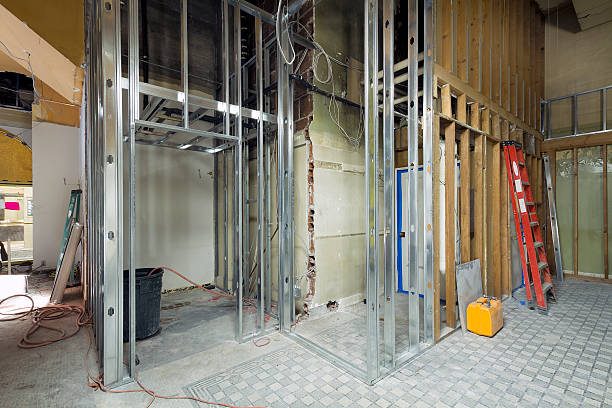
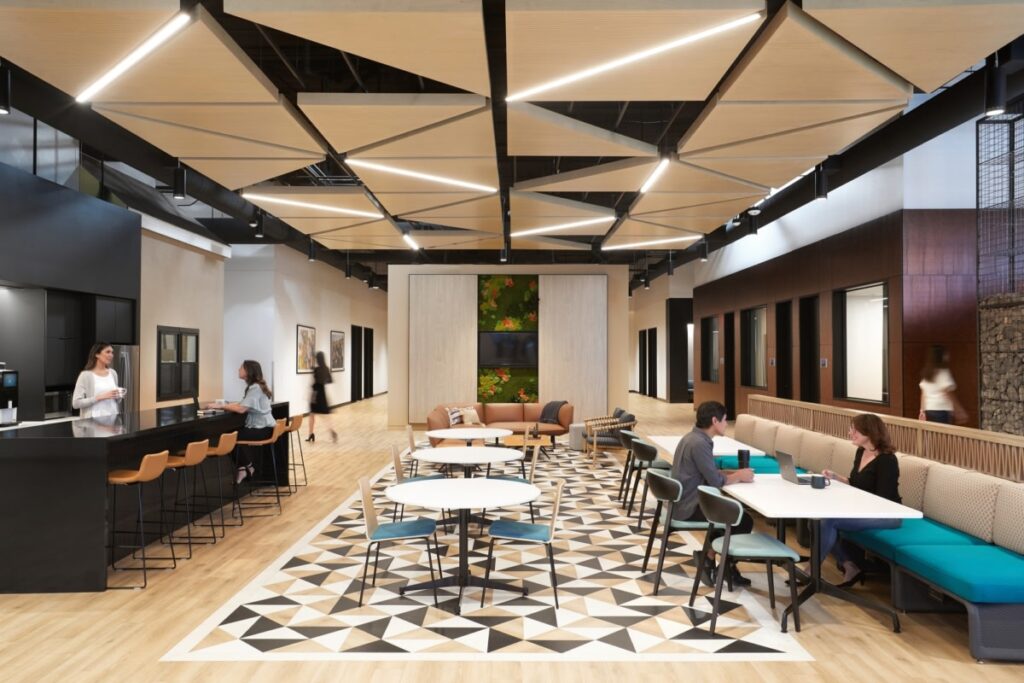
Depending on the property’s condition and intended use, remodeling may include office renovations, retail store improvements, restaurant remodeling, flooring replacement, lighting upgrades, restroom renovations, reception area updates, wall and ceiling improvements, and commercial build-out services.
Some businesses need only a few targeted upgrades, while others require a more extensive renovation. The right approach depends on the building’s existing condition, the company’s operational needs, available budget, and long-term plans.
1. Assess Your Property’s Current Condition
Before planning any remodeling work, evaluate the current condition of your commercial property. Understanding what needs attention will help you determine the project’s scope and avoid spending money on improvements that do not address the main problems.
Inspect the flooring, walls, ceilings, lighting, doors, restrooms, reception areas, and other frequently used spaces. Look for damaged finishes, outdated materials, inefficient layouts, inadequate storage, and areas that no longer support daily operations.
You should also consider building systems, including plumbing, electrical components, ventilation, and signs of moisture damage. Issues affecting safety or building performance may need to be addressed before cosmetic improvements.
A detailed assessment provides a clearer picture of your property’s condition and helps establish a realistic starting point for remodeling.
2. Identify Your Business Remodeling Goals
Once you understand the property’s current condition, decide what you want to accomplish through remodeling. Clearly defined goals help you prioritize improvements and make better decisions about design, materials, and project costs.
For example, an office may need a more functional layout and updated meeting rooms. A retail store may require improved customer flow and display areas, while a restaurant may benefit from renovated dining spaces, better lighting, or updated restrooms.
Your remodeling goals may include improving the property’s appearance, making better use of available space, creating more comfortable work areas, updating interior finishes, addressing maintenance problems, or preparing the property for a new business.
Focus on improvements that directly support your operations and provide practical benefits over time.
3. Establish a Realistic Remodeling Budget
Budget planning is one of the most important steps in business property remodeling. The overall cost depends on the building’s size, existing condition, materials, labor requirements, and complexity of the proposed work.
A renovation involving paint, lighting, and flooring will have different cost considerations from a project that includes new walls, plumbing modifications, electrical upgrades, or a complete commercial build-out.
When preparing your budget, account for demolition, labor, materials, permits where required, specialized services, cleanup, and possible interruptions to business operations. It is also wise to reserve funds for unexpected issues that may be discovered during construction.
Request a detailed estimate from a commercial remodeling contractor so you can understand the anticipated work and associated costs before making final decisions.
4. Prioritize Essential Repairs and Upgrades
Not every improvement needs to happen at the same time. If your budget is limited, prioritize work based on urgency, safety, operational importance, and long-term value.
Address serious maintenance issues, damaged building components, moisture problems, and essential system repairs first. Next, focus on improvements that directly affect how the property functions, such as replacing worn flooring, improving lighting, or reorganizing work areas.
Decorative upgrades can be considered after essential needs have been addressed.
This approach allows you to direct resources toward the most important improvements while keeping the remodeling project aligned with your budget.
5. Improve Space Planning and Layout
An inefficient layout can limit the usefulness of a commercial property. Remodeling provides an opportunity to review how space is organized and identify ways to improve movement, storage, and daily operations.
For offices, this might involve reorganizing workstations, meeting rooms, and reception areas. Retail properties may benefit from improved customer circulation, while restaurants may need more functional dining areas. Other businesses may require better storage or more practical shared spaces.
Careful space planning can help you make better use of the existing property without automatically needing to move to a larger location.
Before modifying walls or room arrangements, determine whether the proposed changes affect structural elements, utilities, accessibility, fire safety, or permit requirements.
6. Update Flooring, Lighting, and Interior Finishes
Interior finishes strongly influence the appearance and usability of a commercial property. Worn flooring, outdated lighting, damaged walls, and aging ceilings can make the space feel neglected.
Choose flooring according to the area’s intended use, expected foot traffic, moisture exposure, cleaning needs, and maintenance requirements. Lighting should support the activities performed in the space while contributing to a comfortable environment.
Wall finishes, doors, ceilings, and other interior details should complement the overall design.
Selecting durable materials that balance appearance, maintenance, and cost can help ensure that the renovated property remains suitable for everyday business use.
7. Consider Energy Efficiency and Maintenance
Remodeling can provide an opportunity to evaluate energy consumption and future maintenance needs.
Depending on the property, possible improvements may include energy-efficient lighting, suitable insulation upgrades, improved lighting controls, and more efficient equipment. The best options depend on the building’s existing systems, operating schedule, and budget.
Maintenance should also influence material selection. High-traffic commercial spaces may require durable flooring, while kitchens and restrooms may benefit from surfaces that tolerate frequent cleaning and moisture exposure.
Considering these factors during planning can help you select practical solutions rather than focusing solely on appearance.
8. Choose the Right Commercial Remodeling Contractor
Choosing a qualified commercial remodeling contractor is an important part of the process. Commercial properties often have different requirements from residential buildings, particularly when businesses need to maintain operations during construction.
Look for a contractor with relevant experience in the type of commercial property you own. Discuss the project’s scope, materials, estimated costs, timeline, communication process, and approach to unexpected conditions.
Review relevant project examples and references where available. Confirm applicable licensing, insurance, and qualifications for specialized work, and clarify who will handle permits and inspections.
A detailed written proposal helps establish expectations and provides a clearer basis for comparing contractors.
9. Develop a Practical Remodeling Timeline
A realistic schedule helps coordinate construction activities and reduce unnecessary disruption. The timeline depends on the size of the project, complexity of the work, material availability, existing building conditions, and required approvals.
Smaller interior improvements may take less time than renovations involving wall modifications, plumbing, electrical work, or a complete commercial build-out.
Discuss the expected schedule with your contractor and identify important milestones. Allow for material delivery, required inspections, and adjustments if unexpected conditions arise.
If your business must remain open, discuss whether work can be completed in phases or scheduled outside normal operating hours. The feasibility depends on the work involved and the safety of employees and visitors.
10. Understand Permits, Building Codes, and Accessibility
Some commercial remodeling projects require permits, inspections, or professional assessments. Requirements vary according to local regulations, property conditions, and the nature of the proposed work.
Structural modifications, plumbing, electrical work, fire safety, occupancy arrangements, and accessibility improvements may be subject to specific requirements.
Before construction begins, determine which approvals are necessary and establish who will be responsible for obtaining them. Planning for these requirements early can help reduce avoidable delays and ensure the finished property meets applicable standards.
11. Plan for Business Operations During Construction
Commercial remodeling can affect employees, customers, deliveries, and normal business activities. Before work begins, consider how construction may influence access to the property and the use of different areas.
Depending on the scope, you may be able to keep part of the property operational while other areas are renovated. Larger projects may require temporary closures, alternative workspaces, or adjustments to operating hours.
Discuss noise, dust control, safety, restricted areas, and construction schedules with your contractor. Inform employees and other affected parties about any changes that could influence their daily activities.
Preparing for these disruptions can help make the remodeling process more manageable.
12. Decide Whether to Remodel in Phases
If your property needs several improvements, completing everything at once may not fit your budget or operating requirements. Phased remodeling allows you to divide the work into stages.
For example, the first phase might focus on essential repairs and building systems, followed by flooring and lighting upgrades. A later phase could address reception areas, restrooms, meeting rooms, or other interior improvements.
Phasing can help spread expenses and reduce disruption, but it requires coordination. In some cases, completing related work together may be more efficient than separating it.
Discuss the advantages, costs, and scheduling implications of both approaches with your contractor before deciding.
13. Measure the Success of Your Remodeling Project
Before construction starts, determine how you will evaluate the results. A successful remodeling project should address the problems that led you to renovate in the first place.
Consider whether the new layout makes better use of available space, whether employees can work more comfortably, whether customers can navigate the property more easily, and whether essential maintenance issues have been resolved.
Compare the completed work with the original scope, budget, and timeline. Documenting the results can help you evaluate the investment and identify any remaining improvements that may be needed later.
Common Business Property Remodeling Mistakes to Avoid
Several common mistakes can make commercial remodeling more complicated or expensive than necessary.
Starting construction without a clear scope of work can lead to repeated changes, delays, and unexpected costs. Selecting materials based only on appearance may also create maintenance challenges if they are unsuitable for commercial use.
Businesses should avoid underestimating construction disruption, overlooking permit requirements, or failing to establish clear communication with the contractor.
Choosing a contractor solely because of the lowest estimate can also be risky if the proposal does not clearly explain the materials, scope, exclusions, and schedule.
Careful planning, detailed proposals, and realistic expectations can help reduce these problems and support a smoother remodeling process.
Frequently Asked Questions
Where should I start with business property remodeling?
Start by assessing your property’s current condition and identifying the areas that need improvement. Establish clear remodeling goals, set a budget, prioritize essential repairs, and consult a commercial remodeling contractor to discuss the scope of work and timeline.
How much does business property remodeling cost?
Costs depend on the property’s size, condition, materials, labor requirements, and project complexity. A detailed assessment and written estimate can provide a more accurate budget.
Should I remodel my entire commercial property at once?
Not necessarily. Some businesses benefit from completing renovations in phases to manage costs and minimize disruption. However, completing related work together may sometimes be more efficient. The best option depends on your budget, project scope, and business operations.
How long does commercial property remodeling take?
The timeline depends on the size of the property, complexity of the work, material availability, existing conditions, and required approvals. A contractor can provide a more realistic schedule after evaluating the project.
Can my business remain open during remodeling?
In some cases, yes. Work may be completed in phases or scheduled outside normal operating hours. However, safety considerations and the type of construction may require temporary closures or restricted access.
Do commercial remodeling projects require permits?
Some projects require permits or inspections, particularly when they involve structural changes, plumbing, electrical systems, fire safety, or accessibility. Requirements vary by location and project scope.
How do I choose a commercial remodeling contractor?
Review the contractor’s relevant experience, references, written proposal, communication practices, and qualifications. Confirm applicable licensing and insurance, and make sure the scope, materials, costs, and schedule are clearly documented.
Final Thoughts
Business property remodeling can help transform an outdated, inefficient, or underused commercial space into a more functional and attractive environment. The best projects begin with a clear assessment, realistic goals, a well-planned budget, and a practical construction strategy.
By prioritizing essential repairs, improving space planning, choosing suitable materials, and working with a qualified commercial remodeling contractor, you can make more informed decisions about your property.
Whether you are renovating an office, updating a retail store, improving a restaurant, or preparing a commercial property for a new business, a customized remodeling plan can help support your operational needs and long-term goals.
If you are planning a business property remodeling project, contact us today to discuss your property’s needs, explore potential improvements, and request a quote.