Step-by-Step Commercial Remodeling Planning Guide
Planning a commercial remodeling project requires more than choosing new finishes or updating the appearance of a business space. A successful project starts with a detailed plan that considers the property’s condition, business needs, budget, timeline, permits, and construction requirements. Whether you are remodeling an office, retail store, restaurant, or other commercial property, careful preparation can help reduce unexpected costs, minimize delays, and create a space that works better for your business.
Define Your Commercial Remodeling Goals
The first step is to determine exactly what you want to accomplish. Consider whether the goal is to improve functionality, modernize the interior, increase usable space, improve employee productivity, or create a better experience for customers.
Clearly defined goals help guide the design, budget, material selection, and construction process. They also give your commercial remodeling contractor a better understanding of your expectations.
Evaluate the Existing Commercial Space
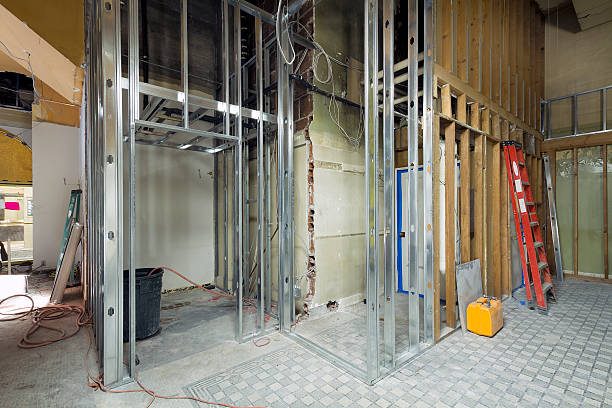
Before developing the final plan, evaluate the existing property. Identify areas that may require improvements, including walls, ceilings, flooring, lighting, electrical systems, plumbing, restrooms, and the overall layout.
Understanding the existing condition of the building can help identify potential challenges before construction starts. A professional contractor can also evaluate the space and provide recommendations based on the project’s scope.
Establish a Realistic Remodeling Budget
Budgeting is one of the most important parts of commercial remodeling planning. Your budget should account for labor, materials, design services, permits, equipment, and other project-related expenses.
It is also important to maintain a contingency budget for unexpected conditions. Having a realistic financial plan allows you to make informed decisions and avoid unnecessary changes during construction.
Develop a Detailed Design and Scope of Work
Once your goals and budget are established, develop a detailed design and scope of work. The scope should explain what areas will be remodeled, which materials will be used, and what improvements are expected.
A clear scope of work helps contractors prepare accurate estimates and reduces misunderstandings during construction. It also provides a useful reference throughout the project.
Choose the Right Commercial Remodeling Contractor
Selecting the right commercial remodeling contractor can have a major impact on the success of your project. Look for a contractor with experience in commercial renovations, strong project management capabilities, reliable communication, and a history of quality workmanship.
A local contractor can also provide valuable knowledge about construction requirements, permits, scheduling, and the needs of businesses in the area.
Plan Permits and Approvals
Depending on the project’s location and scope, permits and inspections may be required before or during construction. Your contractor should help identify applicable requirements and coordinate the necessary steps.
Planning permits early can prevent unnecessary delays and keep the remodeling project moving according to schedule.
Create a Detailed Construction Schedule
A realistic construction schedule should identify major project phases, including preparation, demolition where applicable, construction, installations, inspections, and final completion.
For businesses that remain operational during remodeling, scheduling is particularly important. Construction activities can often be coordinated to reduce disruption to employees, customers, and daily operations.
Select Materials and Finishes Carefully
Material selection should balance appearance, durability, functionality, maintenance requirements, and budget. Commercial spaces often experience significant daily use, so materials should be appropriate for the specific environment.
Choosing materials early can also help reduce scheduling problems caused by availability or delivery delays.
Maintain Clear Communication During Construction
Communication between the property owner, contractor, designers, and other project professionals is essential. Regular progress updates help everyone stay informed about the schedule, budget, changes, and potential issues.
If changes become necessary, discuss them with your contractor before work proceeds. Documenting important decisions can also help keep the project organized.
Monitor Quality and Project Progress
Commercial remodeling planning does not stop when construction begins. Property owners should regularly review project progress and communicate with the contractor about completed and upcoming work.
Monitoring workmanship, materials, scheduling, and project requirements helps identify potential problems early. Addressing issues during construction is generally easier than correcting them after the project has been completed.
Plan for Business Operations
A remodeling project can affect normal business activities. Before construction begins, consider how employees, customers, inventory, equipment, and daily operations will be affected.
Your contractor can help develop a construction approach that minimizes unnecessary disruption. Depending on the project, work may be scheduled during evenings, weekends, or other lower-traffic periods.
Frequently Asked Questions
How long does commercial remodeling planning take?
The planning period depends on the size and complexity of the project. Larger commercial remodeling projects may require additional time for design, budgeting, permits, material selection, and contractor coordination.
What should be included in a commercial remodeling budget?
A commercial remodeling budget may include design, labor, materials, permits, equipment, project management, and contingency costs. A detailed scope of work can help create a more accurate estimate.
When should I hire a commercial remodeling contractor?
It is best to involve a qualified contractor early in the planning process. Their experience can help evaluate the property, develop realistic costs, identify potential challenges, and create an achievable construction schedule.
How can I avoid delays during commercial remodeling?
Clear planning, early material selection, proper permitting, realistic scheduling, and consistent communication can help reduce common remodeling delays.
Final Thoughts
A successful commercial remodeling project begins with careful preparation. Defining your goals, evaluating the existing space, establishing a realistic budget, developing a detailed scope, selecting the right contractor, and creating a practical timeline can make the entire process more organized.
For businesses planning a renovation in Texas, working with an experienced commercial remodeling contractor can provide professional guidance from the initial planning stage through project completion. A well-planned remodeling project can improve the functionality, appearance, and overall value of a commercial space while supporting the long-term needs of the business.