Commercial Property Improvement Ideas That Add Long-Term Value
Commercial property improvements are an important investment for business owners, property managers, and landlords who want to maintain a functional, attractive, and competitive property. Strategic improvements can enhance the appearance of a building while also improving usability, energy efficiency, tenant satisfaction, and long-term property value.
Whether you own an office building, retail property, medical facility, restaurant, or mixed-use commercial space, the right commercial property improvements should focus on both current needs and future value.
Evaluate the Property Before Remodeling
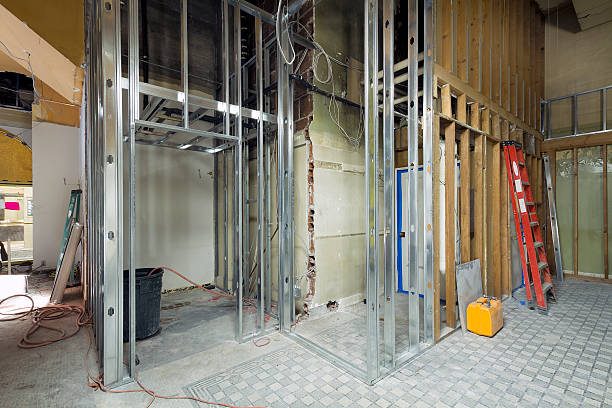
Before investing in improvements, evaluate the existing condition of the property. Look for outdated interiors, inefficient layouts, damaged finishes, poor lighting, inadequate storage, aging fixtures, and areas that no longer support current business needs.
A professional property assessment can help identify improvements that offer practical value rather than spending money on upgrades that provide little long-term benefit.
Modernize the Interior
An outdated interior can make a commercial property feel less attractive to customers, employees, and potential tenants. Updating walls, ceilings, flooring, doors, lighting, and other finishes can create a cleaner and more professional environment.
Modernizing the interior does not always require a complete renovation. Targeted improvements in high-visibility or high-use areas can make a significant difference.
Improve Space Utilization
Efficient use of available square footage can increase the functionality of a commercial property. Reconfiguring inefficient layouts, removing unnecessary barriers, creating flexible spaces, and improving circulation can help businesses get more value from their existing space.
Better space utilization can also make a property more appealing to future tenants with different operational requirements.
Upgrade Commercial Flooring
Flooring experiences significant daily wear in commercial properties. Damaged or outdated flooring can negatively affect both appearance and functionality.
Replacing worn flooring with durable commercial materials can improve aesthetics, maintenance, safety, and long-term performance. The appropriate flooring should be selected based on traffic levels and the property’s specific use.
Improve Lighting and Energy Efficiency
Lighting upgrades can improve the appearance and functionality of commercial interiors. Modern lighting can provide better visibility while potentially reducing energy consumption when efficient systems are selected.
Consider updating outdated fixtures and improving lighting in offices, hallways, reception areas, restrooms, retail spaces, and other frequently used areas.
Upgrade Entrances and Exterior Appearance
First impressions matter when attracting customers, tenants, and business partners. A clean, modern, and well-maintained entrance can improve the overall perception of a commercial property.
Consider improvements such as updated doors, signage, exterior finishes, lighting, walkways, and other entrance features where appropriate.
Improve Restrooms and Common Areas
Commercial restrooms and shared spaces receive frequent use and can strongly influence how visitors perceive a property.
Renovating outdated restrooms, improving lighting, replacing damaged finishes, and upgrading fixtures can create a cleaner and more functional environment. Common areas can also benefit from improved seating, flooring, lighting, and space planning.
Improve Accessibility
Accessibility improvements can make a commercial property easier to use for employees, customers, tenants, and visitors. Depending on the property, improvements may involve entrances, pathways, doors, restrooms, ramps, signage, and other areas.
Applicable accessibility and building requirements should be considered before construction begins.
Add Flexible Commercial Spaces
Businesses increasingly need spaces that can adapt to changing needs. Flexible offices, meeting areas, multipurpose rooms, and reconfigurable layouts can make a commercial property more versatile.
Flexible design can also increase the property’s appeal to potential tenants who may have different space requirements in the future.
Focus on Durability and Maintenance
Long-term value is not only about appearance. Commercial property improvements should be designed to withstand regular use and remain manageable to maintain.
Selecting durable flooring, wall finishes, doors, fixtures, cabinets, and other materials can help reduce frequent repairs and replacement costs.
Improve Storage and Organization
Insufficient storage can reduce the functionality of a commercial property. Adding built-in cabinets, shelving, storage rooms, or organized supply areas can help businesses make better use of available space.
Well-planned storage can also reduce clutter and improve employee workflow.
Plan Improvements Around Business Operations
Commercial remodeling can disrupt normal operations if it is not carefully planned. Businesses should consider construction schedules, employee access, customer traffic, deliveries, noise, and other operational requirements.
Phased remodeling or carefully scheduled work can help minimize disruption while improvements are completed.
Consider Future Property Needs
When planning improvements, think beyond immediate problems. Consider how the property may be used several years from now.
Flexible layouts, durable materials, modern infrastructure, improved accessibility, and efficient space planning can help a commercial property remain useful and competitive as business needs change.
Work With an Experienced Commercial Remodeling Contractor
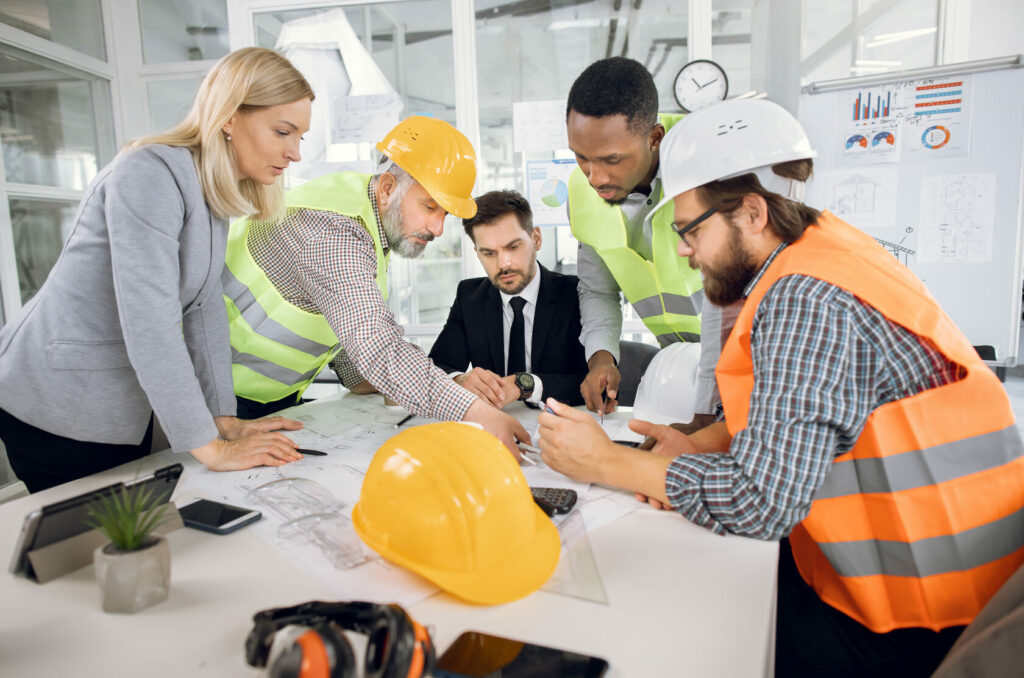
Commercial property improvement projects require careful planning, budgeting, material selection, and coordination. An experienced commercial remodeling contractor can evaluate the property, identify improvement opportunities, develop a practical scope of work, and coordinate construction.
Professional planning can help ensure that improvements support the property’s current needs while contributing to its long-term functionality and appeal.
Invest in Improvements That Deliver Lasting Value
The best commercial property improvements combine appearance, functionality, durability, efficiency, and future flexibility. From interior renovations and flooring upgrades to improved lighting, entrances, accessibility, storage, and flexible layouts, strategic improvements can make a property more useful and attractive.
If you are considering commercial property remodeling, start by identifying the improvements that will have the greatest practical impact. With proper planning and an experienced commercial remodeling contractor, your investment can help create a property that continues to serve your business, tenants, customers, and visitors for years to come.