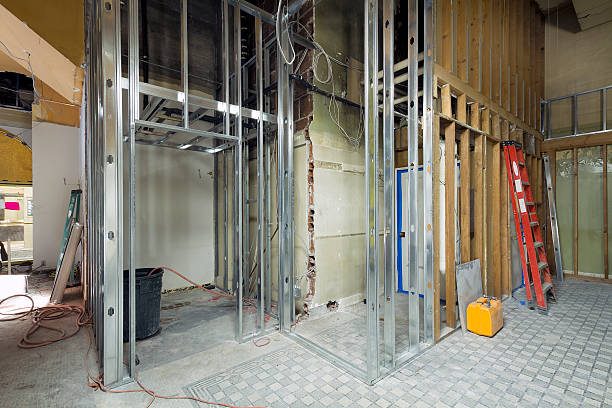
Commercial Entrance Remodeling Ideas for a Better First Impression
A commercial entrance is one of the first areas customers, employees, tenants, and visitors experience when they arrive at a business property. An outdated, damaged, or poorly designed entrance can negatively affect the overall impression of a building. On the other hand, a clean, functional, and professionally designed entrance can create a welcoming environment and strengthen the appearance of your business.
Commercial entrance remodeling can include everything from new doors and lighting to improved accessibility, signage, finishes, and space planning. Whether you operate an office, retail store, medical facility, restaurant, or other commercial property, upgrading the entrance can provide both aesthetic and practical benefits.
Evaluate Your Existing Commercial Entrance
Before starting a remodeling project, evaluate the current entrance and identify areas that need improvement. Look for worn flooring, damaged doors, outdated lighting, poor signage, limited accessibility, insufficient weather protection, or an inefficient layout.
Consider how customers and employees use the entrance throughout the day. Identifying these issues can help you prioritize improvements that provide the most value.
Upgrade Commercial Entrance Doors
Doors are a major visual and functional component of any business entrance. Worn, damaged, difficult-to-operate, or outdated doors can affect both appearance and convenience.
Depending on the property, consider updating door styles, hardware, glazing, frames, or entry systems. The selected doors should complement the building’s design while meeting appropriate performance and accessibility requirements.
Improve Entrance Lighting
Good lighting can make a commercial entrance more attractive and easier to navigate. It can also improve visibility around doors, walkways, signage, and other important areas.
Consider exterior and interior lighting together to create a consistent transition from the building’s exterior to the interior. Energy-efficient lighting solutions may also help reduce ongoing operating costs.
Create a Welcoming Reception Transition
For many businesses, the entrance leads directly into a reception or waiting area. The transition should feel organized and intuitive.
A well-planned entrance can help visitors understand where to go after entering the building. Clear pathways, visible reception areas, appropriate signage, and thoughtful space planning can improve the overall visitor experience.
Improve Commercial Entrance Flooring
Entrance flooring receives significant foot traffic and may be exposed to dirt, moisture, and weather conditions. Worn or damaged flooring can quickly make a commercial property appear poorly maintained.
Choose durable, slip-resistant, and easy-to-maintain flooring appropriate for the property’s use. Entrance mats and transition areas can also help protect interior flooring from outdoor debris and moisture.
Add Professional Signage
Clear signage can make a commercial property easier to navigate while reinforcing brand identity. Business names, directional signs, room information, and other visual elements should be positioned where visitors can easily see them.
During remodeling, consider how signage interacts with doors, lighting, walls, reception areas, and other design elements.
Improve Accessibility
Accessibility should be an important consideration when remodeling a commercial entrance. Depending on the property, improvements may involve pathways, ramps, door clearance, thresholds, handrails, signage, and other features.
The remodeling plan should account for applicable accessibility requirements and the needs of people with different mobility levels.
Consider Weather Protection
Commercial entrances may be exposed to rain, heat, wind, and other weather conditions. Depending on the building, canopies, covered walkways, vestibules, or other design features may help improve visitor comfort and protect entry areas.
Weather-related improvements should be selected based on the building design, local conditions, and project requirements.
Improve Security and Access Control
Entrance remodeling can provide an opportunity to review existing security features. Depending on the business, improvements may include upgraded locks, access control systems, entry hardware, lighting, or other security-related components.
Businesses should select security solutions based on their specific operational needs.
Use Durable Commercial Materials
Commercial entrances experience frequent daily use, so materials should be selected for durability and maintenance requirements. Doors, flooring, wall finishes, hardware, lighting fixtures, and other components should be appropriate for the expected traffic level.
Durable materials can help maintain a professional appearance and reduce frequent repairs or replacements.
Incorporate Your Brand Into the Design
Your entrance can help communicate your company’s identity. Colors, materials, signage, architectural details, and other design elements can be coordinated with your existing branding.
The goal is to create a professional entrance that feels consistent with the rest of your business without becoming visually overwhelming.
Improve Energy Efficiency
Depending on the existing building, entrance improvements may provide opportunities to address air leakage, lighting efficiency, glazing, and other factors that affect building performance.
Better-performing doors and windows, appropriate weather sealing, and efficient lighting may contribute to improved indoor comfort and energy management.
Plan Remodeling Around Business Operations
Commercial entrance renovations can affect customers, employees, deliveries, and daily operations. A carefully planned construction schedule can help reduce disruption.
Depending on the project, work may be completed in phases or scheduled during evenings, weekends, or lower-traffic periods.
Work With an Experienced Commercial Remodeling Contractor
Commercial entrance remodeling involves design, construction, doors, flooring, lighting, signage, accessibility, and potentially electrical or security systems. An experienced commercial remodeling contractor can coordinate these elements and develop a renovation plan that fits your property’s needs.
Professional project management can also help ensure that the entrance improvements work together as part of a cohesive commercial renovation.
Create a Better First Impression
A commercial entrance is more than a doorway—it is an important part of the customer and visitor experience. Upgrading doors, lighting, flooring, signage, accessibility, security, and finishes can make the property more welcoming, functional, and professional.
If your business entrance looks outdated or no longer meets your operational needs, a professionally planned commercial entrance remodeling project can provide a practical way to improve the first impression while adding long-term value to your property.