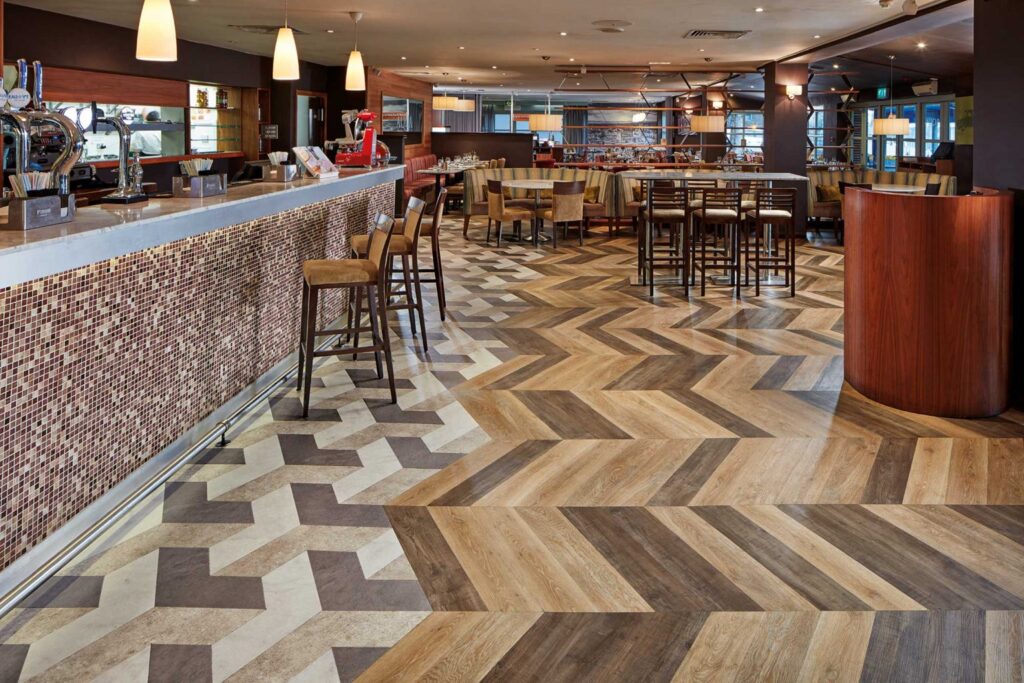
Best Flooring Considerations for Restaurant Renovation
Choosing the right flooring is an important part of restaurant renovation. Restaurant floors experience constant foot traffic, spills, food debris, moving furniture, and regular cleaning. The right flooring should balance durability, safety, appearance, comfort, and maintenance requirements. A thoughtful commercial remodeling plan can help restaurant owners select flooring that supports daily operations while creating an attractive dining environment.
Consider Restaurant Traffic Levels
Different areas of a restaurant experience different levels of traffic. Dining areas, entrances, kitchens, service corridors, and restrooms may require different flooring characteristics. High-traffic areas need durable flooring that can withstand frequent use without quickly showing wear.
Prioritize Slip Resistance
Safety should be a major consideration when selecting restaurant flooring. Spills and moisture can create slippery surfaces, particularly around kitchens, service areas, and entrances. Flooring with appropriate slip-resistant characteristics can help provide safer walking surfaces for employees and customers.
Choose Easy-to-Maintain Flooring
Restaurant floors require frequent cleaning, so maintenance should be considered before selecting a material. Flooring that is easy to clean and maintain can help staff manage daily spills, dirt, and food debris more efficiently. The right choice can also help reduce long-term maintenance demands.
Consider Moisture and Spill Exposure
Restaurants regularly deal with water, beverages, sauces, oils, and other liquids. Flooring should be appropriate for the conditions of the specific restaurant area. Areas exposed to frequent moisture may require materials and installation methods designed to handle those demands.
Match Flooring to the Restaurant Design
Flooring contributes to the overall appearance of a restaurant. Color, texture, pattern, and finish can complement furniture, walls, lighting, and other interior elements. A cohesive flooring choice can help create the desired atmosphere, whether the restaurant is aiming for a modern, traditional, upscale, or casual appearance.
Think About Customer Comfort
Customers spend considerable time standing and sitting in restaurants, while employees may remain on their feet for long shifts. Flooring selection should therefore consider comfort as well as durability. The right flooring can contribute to a more pleasant environment for both guests and staff.
Evaluate Long-Term Durability
Restaurant flooring is an investment, so durability should be evaluated alongside the initial cost. A material that performs well under heavy traffic and regular cleaning may provide better long-term value than a cheaper option that requires frequent replacement or repairs.
Consider Different Flooring for Different Areas
There is not always one flooring solution that works for every part of a restaurant. Dining areas may prioritize appearance and comfort, while kitchens and service areas may require greater emphasis on durability, safety, and maintenance. A commercial renovation can provide an opportunity to select flooring based on the function of each space.
Plan Restaurant Flooring Renovation in Texas
Restaurants in Houston, Pasadena, Pearland, League City, Webster, Friendswood, and surrounding Texas areas can benefit from professional commercial remodeling when upgrading their flooring. An experienced remodeling contractor can help evaluate the restaurant’s layout, traffic patterns, operational requirements, and design goals to develop an appropriate flooring plan.
Frequently Asked Questions
What should I consider when choosing restaurant flooring?
Important considerations include durability, slip resistance, maintenance, moisture exposure, traffic levels, appearance, comfort, and long-term value.
Is slip-resistant flooring important for restaurants?
Yes. Restaurants can experience frequent spills and moisture, so appropriate slip-resistant flooring can help create safer walking surfaces for employees and customers.
Should different restaurant areas use different flooring?
In many cases, yes. Dining areas, kitchens, restrooms, entrances, and service areas have different requirements, so flooring should be selected according to how each space is used.
How often should restaurant flooring be replaced?
The lifespan depends on the flooring material, installation quality, traffic, maintenance, and operating conditions. Properly selected and maintained commercial flooring can provide long-term performance.
Final Thoughts
The best flooring for a restaurant renovation should balance safety, durability, maintenance, comfort, and design. By evaluating traffic levels, moisture exposure, cleaning requirements, and the purpose of each area, restaurant owners can make more informed flooring decisions. A well-planned commercial remodeling project can create a restaurant floor that performs reliably while supporting a professional and inviting environment.