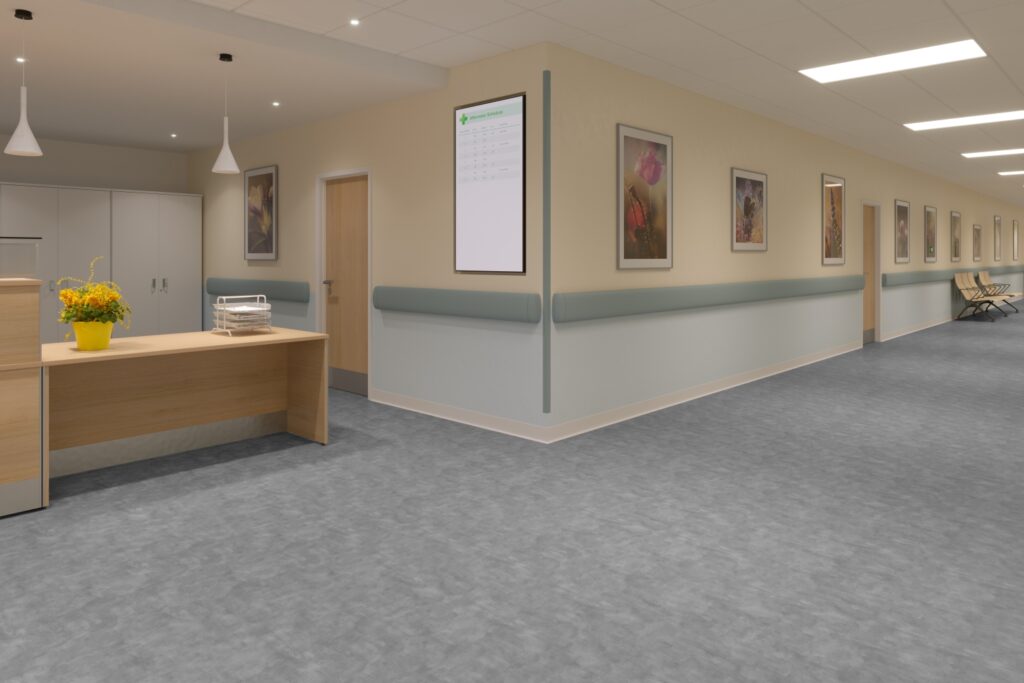
How to Choose Medical Office Flooring
Choosing the right flooring is an important part of medical office remodeling. Medical offices experience regular foot traffic from patients, healthcare professionals, staff, and visitors, so flooring needs to support daily use while remaining practical and easy to maintain. The right flooring can also contribute to a comfortable, professional, and welcoming environment.
When selecting medical office flooring, businesses should consider durability, safety, cleaning requirements, appearance, comfort, and long-term maintenance. A thoughtful flooring choice can help create a healthcare space that functions well and maintains a professional appearance over time.
Consider the Level of Foot Traffic
Medical offices can experience consistent foot traffic throughout the day. Reception areas, hallways, waiting rooms, and examination areas may receive different levels of use, so flooring should be selected according to the specific demands of each space.
High-traffic areas generally require durable flooring that can handle frequent use without quickly showing excessive wear. Considering traffic levels before selecting flooring can help businesses avoid premature replacement and unnecessary maintenance costs.
Choose Flooring That Is Easy to Clean
Cleanliness is an important consideration in any medical office. Flooring should be easy to clean and maintain as part of the facility’s regular cleaning routine.
Smooth, practical flooring surfaces can make routine cleaning more efficient. When choosing materials, consider how easily the flooring can be cleaned, how it responds to common spills, and how much maintenance is required to keep it looking professional.
Prioritize Safety and Slip Resistance
Safety should be considered when selecting flooring for a medical office. Patients and visitors may include people with different mobility levels, so flooring should provide an appropriate level of traction for the environment.
Areas that are more likely to experience moisture or spills may require flooring with suitable slip-resistant characteristics. Choosing flooring with safety in mind can help create a more comfortable environment for patients, staff, and visitors.
Consider Durability and Long-Term Performance
Medical office flooring needs to withstand regular foot traffic, equipment movement, cleaning, and everyday use. Durable flooring can help reduce the frequency of repairs and replacement.
When comparing flooring options, consider the expected lifespan, maintenance requirements, resistance to wear, and overall performance. A material with a slightly higher initial cost may provide better long-term value if it performs well over many years.
Think About Patient and Staff Comfort
Comfort is another important factor in medical office flooring. Healthcare professionals may spend many hours standing and walking throughout the day, while patients may spend time waiting or moving between different areas of the facility.
Flooring should support a comfortable environment without sacrificing durability or ease of maintenance. The right material can help create a more pleasant experience for both staff and patients.
Select a Professional Appearance
The appearance of a medical office can influence the overall patient experience. Outdated or worn flooring can make a facility appear less inviting, while modern and well-maintained flooring can contribute to a clean and professional atmosphere.
Consider colors, patterns, textures, and finishes that complement the office’s interior design. Flooring should work with walls, furniture, lighting, reception areas, and other design elements to create a consistent appearance.
Consider Noise Levels
Noise can affect the comfort of a medical office, particularly in waiting rooms, hallways, and consultation areas. Some flooring options can help create a quieter environment by reducing the sound associated with footsteps and movement.
When selecting flooring, consider the acoustic needs of the facility and how the material may affect the overall atmosphere.
Evaluate Maintenance Requirements
Every flooring material has different maintenance needs. Before making a decision, consider how often the flooring needs to be cleaned, what type of maintenance it requires, and how easily damaged areas can be repaired.
Choosing a flooring option that fits the facility’s cleaning and maintenance routine can help reduce long-term costs and keep the medical office looking professional.
Consider Different Areas of the Medical Office
A medical office may include reception areas, waiting rooms, hallways, examination rooms, administrative offices, and other spaces. These areas may have different flooring requirements.
Instead of selecting one material based only on appearance, evaluate the function of each area. A flooring plan designed around the needs of individual spaces can provide better performance and long-term value.
Plan Medical Office Flooring During Remodeling
Medical office flooring is an important part of a larger commercial remodeling project. Coordinating flooring with lighting, walls, furniture, room layouts, and other improvements can create a more cohesive and functional environment.
Healthcare businesses in Houston, Pasadena, Pearland, League City, Webster, Friendswood, and surrounding Texas areas can benefit from professional commercial remodeling services when planning medical office flooring and other interior improvements.
Frequently Asked Questions
What is the best flooring for a medical office?
The best flooring depends on the specific needs of the facility. Important factors include durability, cleanability, safety, comfort, appearance, maintenance requirements, and the level of foot traffic.
What should I consider when choosing medical office flooring?
Consider foot traffic, cleaning requirements, slip resistance, durability, comfort, appearance, noise levels, maintenance, and the specific function of each area.
Is easy-to-clean flooring important for medical offices?
Yes. Medical offices require regular cleaning, so flooring that is practical and easy to maintain can make routine facility care more efficient.
Should different areas of a medical office use different flooring?
They can. Reception areas, hallways, examination rooms, and administrative spaces may have different functional requirements, so flooring can be selected according to the needs of each area.
Can new flooring improve a medical office?
Yes. New flooring can improve the appearance, functionality, comfort, and overall condition of a medical office while supporting a more professional environment for patients and staff.
Final Thoughts
Choosing medical office flooring requires more than selecting a material based on appearance. Durability, safety, cleanliness, comfort, maintenance, noise, and long-term performance should all be considered before making a decision.
With thoughtful planning, the right flooring can support daily healthcare operations while creating a clean, comfortable, professional environment. For medical offices in Texas, working with an experienced commercial remodeling contractor can help coordinate flooring and other renovation improvements around the specific needs of the facility.