Commercial Construction Timeline Explained
Planning a commercial construction project requires more than choosing a contractor and setting a budget. Understanding the commercial construction timeline helps business owners prepare for each stage, manage expectations, and reduce unexpected delays.
While every project is different, most commercial construction projects follow a series of common phases, from initial planning through final completion.
How Long Does Commercial Construction Take?
A commercial construction project can take anywhere from several months to more than a year, depending on the project’s size, complexity, location, design requirements, permitting process, and availability of materials and labor.
A small office renovation may take only a few weeks or months, while a larger commercial building or extensive renovation can require significantly more time.
1. Planning and Project Consultation
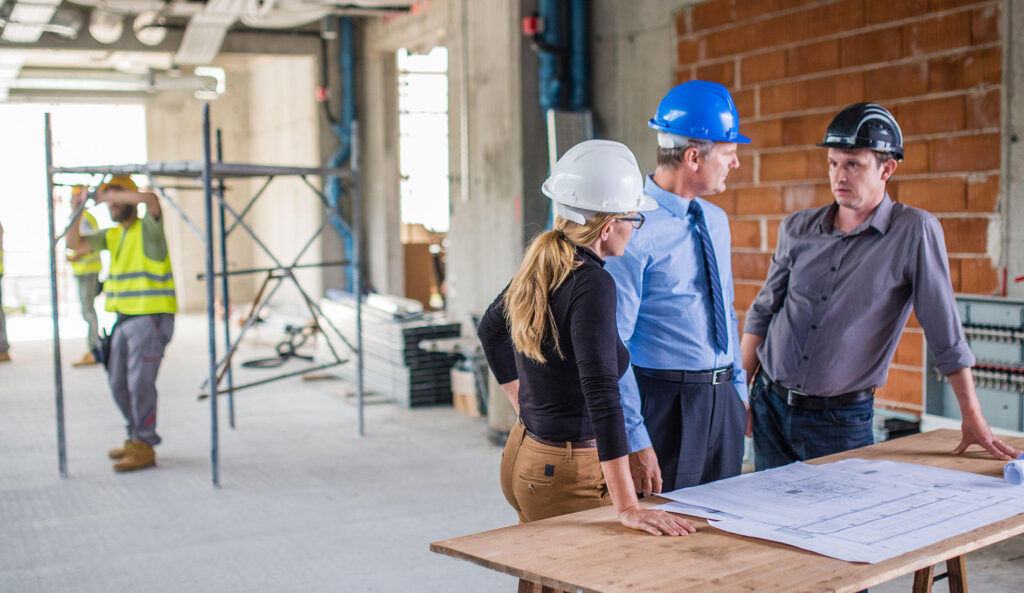
The process begins with understanding the property’s needs, project goals, budget, and expected completion date. During this stage, the owner and contractor discuss the scope of work and identify potential challenges.
Early planning helps establish realistic expectations before construction begins.
2. Design and Engineering
Once the project scope is established, architects, designers, and engineers develop the necessary plans and specifications.
For commercial remodeling projects, this may include:
- Interior layouts
- Floor plans
- Electrical and plumbing plans
- Structural considerations
- Material selections
- Accessibility requirements
- Building and safety requirements
A well-developed design can help prevent costly changes later in the project.
3. Permits and Approvals
Depending on the project and location, permits and inspections may be required before construction can begin.
For businesses in Houston, Pasadena, and surrounding Texas communities, the required approvals can vary based on the property’s location and the scope of construction. Completing permits early can help keep the project moving according to schedule.
4. Site Preparation
Before major construction begins, the contractor prepares the site. This can include removing existing materials, protecting areas that will remain, preparing work zones, and coordinating deliveries.
For a commercial renovation, site preparation may also involve demolition of selected interior spaces.
5. Main Construction
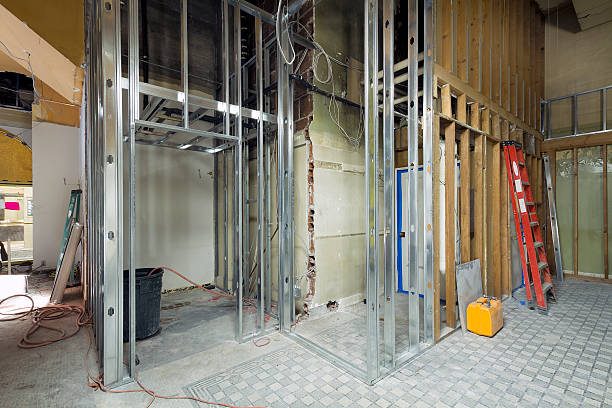
This is typically the most substantial phase of the project. Depending on the scope, work may include framing, electrical and plumbing installation, drywall, flooring, ceilings, doors, fixtures, and other improvements.
The construction schedule is usually coordinated between multiple trades to keep the project progressing efficiently.
6. Interior Finishing
Once the major construction work is completed, attention moves toward finishing details. Painting, flooring, fixtures, cabinetry, lighting, trim, and other interior elements are installed or completed.
For businesses, careful scheduling during this phase can help prepare the space for employees, customers, tenants, or patients.
7. Inspections and Final Corrections
Required inspections are completed before the project can be officially closed out. The contractor also reviews the work for unfinished items or corrections.
Addressing these items promptly helps move the project toward final completion.
8. Final Walkthrough and Project Completion
The final stage involves a walkthrough with the property owner or representative. The completed work is reviewed, outstanding items are addressed, and the space is prepared for occupancy or normal business operations.
What Can Delay a Commercial Construction Project?
Several factors can affect a construction schedule, including:
- Permit and approval delays
- Design changes
- Material availability
- Unexpected site conditions
- Weather
- Labor availability
- Inspection requirements
- Changes to the project scope
- Coordination between multiple contractors
Good communication between the property owner, contractor, designers, and other project partners can help minimize unnecessary delays.
How to Keep a Commercial Construction Project on Schedule
Business owners can help maintain the schedule by defining the project scope early, making design decisions promptly, selecting materials in advance, maintaining regular communication with the contractor, and allowing reasonable time for permits and inspections.
Choosing an experienced commercial remodeling or construction contractor can also make project coordination easier.
Commercial Construction in Houston and Pasadena, TX
Whether you’re planning an office renovation, retail remodel, restaurant renovation, medical office improvement, or another commercial project, understanding the construction timeline allows you to plan your business operations more effectively.
A professional commercial remodeling contractor in Houston or Pasadena, TX can evaluate your project requirements, establish a realistic schedule, coordinate the necessary trades, and guide the project from planning through completion.
Frequently Asked Questions
How long does commercial construction usually take?
The timeline varies significantly based on project size and complexity. Smaller renovations may take weeks or a few months, while larger commercial construction projects can take a year or longer.
What is the first step in commercial construction?
The first step is generally project planning and consultation. The owner and construction team define the scope, goals, budget, and preliminary schedule.
Can commercial construction delays be avoided?
Not every delay can be prevented, but careful planning, early permitting, material coordination, clear communication, and experienced project management can reduce many common delays.
Why is a construction timeline important?
A detailed timeline helps businesses coordinate budgets, employees, tenants, operations, deliveries, and the expected reopening or occupancy date.
Need help planning your commercial construction or remodeling project in Houston or Pasadena, Texas? Start with a professional consultation to establish the scope, schedule, and requirements for your project.