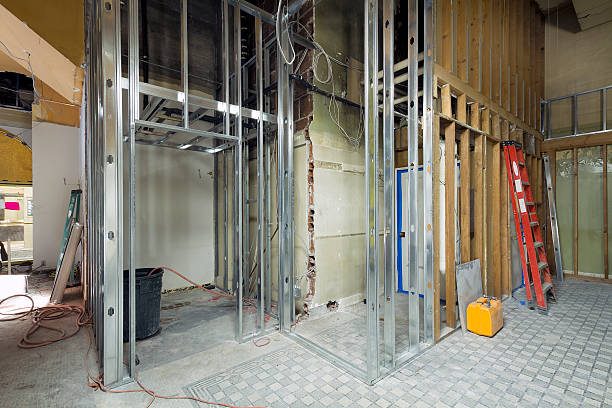
What Is a Tenant Improvement Allowance (TI Allowance)?
Leasing a commercial space often requires modifications before your business can open its doors. Whether you’re moving into an office, retail store, restaurant, or medical facility, the space may need new flooring, walls, lighting, plumbing, or other improvements to meet your operational needs.
To help cover these costs, many commercial landlords offer a Tenant Improvement Allowance (TI Allowance). Understanding how a TI allowance works can help you negotiate a better lease, reduce out-of-pocket expenses, and create a space that supports your business.
In this guide, we’ll explain what a Tenant Improvement Allowance is, what it typically covers, and how to maximize its value.
What Is a Tenant Improvement Allowance?
A Tenant Improvement Allowance (TI Allowance) is money that a commercial landlord agrees to contribute toward improving or customizing a leased space for a tenant.
The allowance is usually negotiated as part of the commercial lease agreement and is commonly expressed as a dollar amount per square foot.
For example:
- A landlord offers $40 per square foot for a 2,500-square-foot office.
2,500 sq. ft. × $40 = $100,000 TI Allowance
The tenant can use these funds for approved improvements that prepare the space for business operations.
What Does a TI Allowance Typically Cover?
The exact coverage depends on the lease agreement, but a Tenant Improvement Allowance may include:
Interior Construction
- Framing and drywall
- Office partitions
- Ceilings
- Interior doors
- Painting
Flooring
- Carpet
- Luxury vinyl flooring
- Tile
- Hardwood
- Baseboards
Electrical Work
- Lighting installation
- Additional outlets
- Data cabling
- Electrical upgrades
Plumbing
- Restroom modifications
- Break room plumbing
- Kitchen plumbing
- Water lines
HVAC Improvements
- Air conditioning upgrades
- Ventilation modifications
- Heating adjustments
Custom Features
Depending on the lease, the allowance may also help cover:
- Reception areas
- Conference rooms
- Display fixtures
- Built-in cabinetry
- Storage rooms
What Usually Isn’t Covered?
Some expenses are commonly excluded from a TI Allowance, including:
- Office furniture
- Computers and equipment
- Business signage (sometimes)
- Moving expenses
- Inventory
- Decorative artwork
- Equipment unique to your business
Always review your lease carefully to understand what’s included.
Who Controls the Construction?
There are generally two common approaches.
Landlord Manages the Work
In some leases, the landlord hires the contractor and oversees construction using the agreed allowance.
Benefits include:
- Less project management for the tenant
- Landlord coordinates permits and contractors
However, tenants often have less control over material selections and scheduling.
Tenant Manages the Project
In other cases, the tenant hires a commercial remodeling contractor and receives reimbursement from the landlord after approved work is completed.
This option often provides greater flexibility but requires more involvement from the tenant.
What Happens If the Project Costs More Than the Allowance?
If remodeling costs exceed the negotiated TI Allowance, the tenant is typically responsible for paying the remaining balance.
For example:
- TI Allowance: $100,000
- Total renovation cost: $140,000
The tenant pays the additional $40,000 unless the landlord agrees to contribute more or the lease is renegotiated.
Can You Negotiate a Larger TI Allowance?
Yes. Many commercial leases allow room for negotiation, especially if:
- You’re signing a long-term lease.
- The space requires extensive renovations.
- The property has been vacant.
- Market conditions favor tenants.
- You’re leasing a large amount of space.
A higher TI Allowance can significantly reduce your upfront investment.
Tips for Maximizing Your TI Allowance
To get the most value from your allowance:
Plan Your Layout Early
Work with an architect or commercial remodeling contractor before signing the lease to estimate renovation costs accurately.
Prioritize Essential Improvements
Focus on upgrades that directly support your business operations, such as lighting, flooring, plumbing, and workspaces.
Understand Reimbursement Rules
Some landlords reimburse only after construction is complete, while others release funds in stages.
Keep Detailed Documentation
Maintain records of contracts, invoices, permits, and change orders to ensure smooth reimbursement.
Hire an Experienced Commercial Remodeling Contractor
A knowledgeable contractor can help you stay within budget, meet deadlines, and ensure your improvements comply with building codes.
Benefits of a Tenant Improvement Allowance
A TI Allowance offers several advantages:
- Reduces upfront construction costs
- Allows businesses to customize leased space
- Improves functionality
- Creates a professional appearance
- Makes commercial leasing more affordable
- Supports long-term business growth
For many businesses, it’s one of the most valuable lease negotiation tools available.
Why Work with a Professional Commercial Remodeling Contractor?
Tenant improvements often involve multiple trades, including:
- Carpentry
- Flooring
- Painting
- Electrical work
- Plumbing
- HVAC
- Interior finishes
A professional contractor can coordinate every phase of the project, helping you maximize your allowance while minimizing delays and unexpected costs.
Why Choose Commercial Remodeling Inc.?
At Commercial Remodeling Inc., we help businesses throughout Texas transform leased commercial spaces into functional, attractive workplaces. Whether you’re using a Tenant Improvement Allowance or funding your own renovation, our experienced team delivers customized remodeling solutions designed around your goals and budget.
Our services include:
- Tenant improvements
- Commercial build-outs
- Office remodeling
- Retail remodeling
- Restaurant renovations
- Medical office remodeling
- Flooring installation
- Interior painting
- Lighting upgrades
- Project management
We work closely with business owners, landlords, and property managers to complete projects efficiently and with exceptional craftsmanship.
Frequently Asked Questions
What is a Tenant Improvement Allowance?
A Tenant Improvement Allowance is money provided by a commercial landlord to help pay for improvements that customize a leased space for the tenant’s business.
How is a TI Allowance calculated?
It is usually offered as a dollar amount per square foot, such as $30–$60 per square foot, depending on the lease and market conditions.
Can a TI Allowance cover all remodeling costs?
Not always. If the total cost exceeds the allowance, the tenant is generally responsible for paying the difference unless additional terms are negotiated.
Can I negotiate a higher TI Allowance?
Yes. Longer lease terms, larger spaces, and significant renovation needs often provide opportunities to negotiate a larger allowance.
Final Thoughts
A Tenant Improvement Allowance can significantly reduce the cost of customizing a leased commercial space, making it easier to create an environment that supports your business operations and reflects your brand. By understanding what a TI Allowance covers, negotiating favorable lease terms, and partnering with an experienced commercial remodeling contractor, you can maximize your investment and avoid costly surprises.
If you’re planning tenant improvements or a commercial build-out in Texas, Commercial Remodeling Inc. is here to help. Contact us today for a free consultation and let our team guide you through every step of your renovation project—from planning and budgeting to construction and final completion.