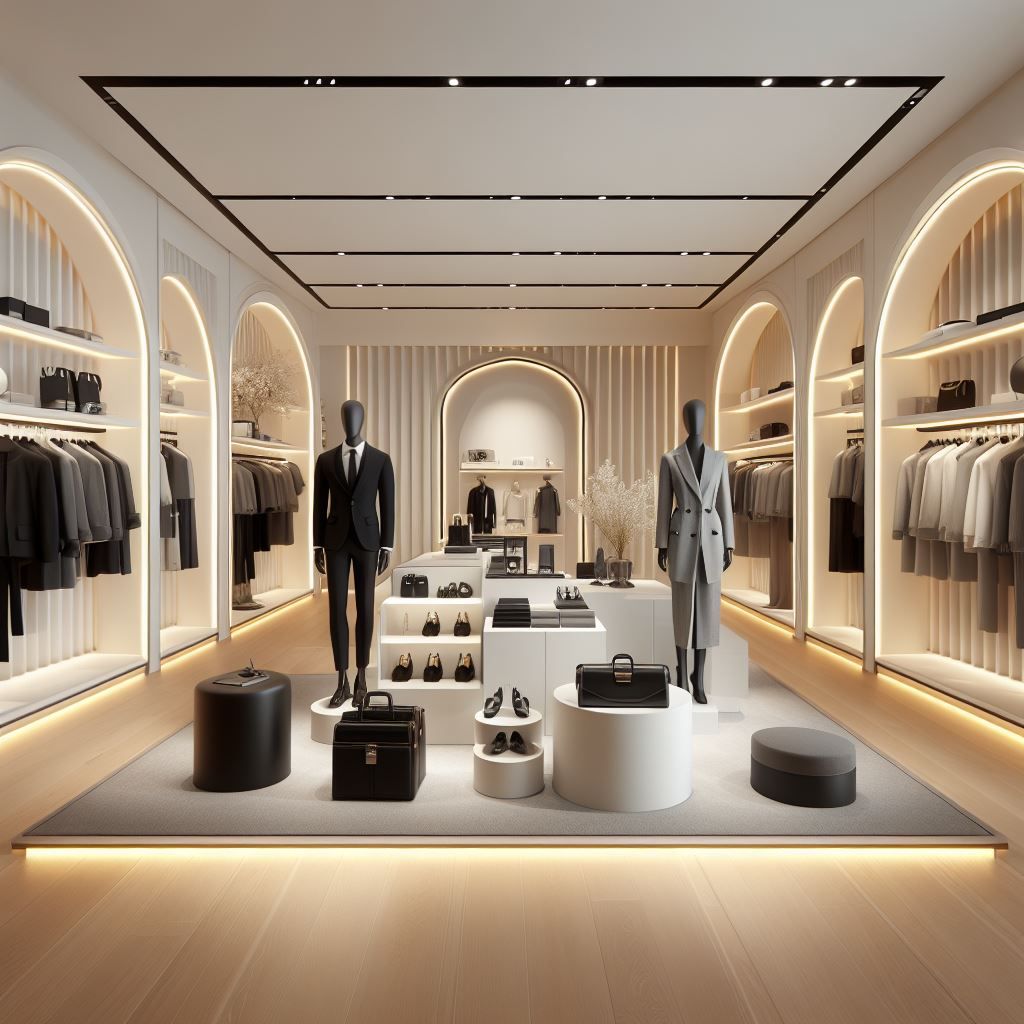
Retail Store Design Trends Every Business Owner Should Know
The retail industry continues to evolve as customer expectations, shopping behaviors, and technology change. Today’s shoppers expect more than shelves filled with products—they want an enjoyable, convenient, and memorable shopping experience.
While no design trend can guarantee higher sales, a thoughtfully designed retail environment can improve customer comfort, reinforce your brand, and encourage shoppers to spend more time exploring your store.
If you’re planning a retail remodeling or retail renovation project, staying informed about current design trends can help you create a space that feels modern, functional, and ready for the future.
Here are the top retail store design trends every business owner should know.
Why Retail Store Design Matters
Your store design influences how customers perceive your business from the moment they walk through the door.
An updated retail environment can help:
- Create a positive first impression
- Improve customer flow
- Highlight products more effectively
- Strengthen your brand identity
- Increase customer comfort
- Encourage repeat visits
A well-designed store supports both your customers and your employees while creating a professional image.
1. Experience-Focused Store Design
Modern retailers are designing stores around the customer experience rather than simply displaying products.
Examples include:
- Interactive product displays
- Comfortable seating areas
- Demonstration zones
- Lifestyle displays
- Easy navigation
The goal is to make shopping more engaging and enjoyable.
2. Open and Flexible Layouts
Rigid floor plans are being replaced by flexible layouts that can adapt to changing inventory, seasonal promotions, and customer traffic patterns.
Benefits include:
- Better traffic flow
- Easier merchandising
- More open sightlines
- Improved accessibility
- Flexible product placement
Modular fixtures make it easier to refresh the space without major renovations.
3. Natural Lighting and Bright Interiors
Bright, welcoming spaces remain one of the strongest retail design trends.
Whenever possible, retailers are maximizing natural light and combining it with energy-efficient LED lighting to:
- Improve product visibility
- Create a clean appearance
- Make stores feel larger
- Enhance customer comfort
Good lighting also helps merchandise stand out.
4. Strong Brand Identity
Customers are more likely to remember stores with a consistent visual identity.
Modern retail stores use:
- Brand colors
- Custom signage
- Feature walls
- Coordinated materials
- Unique displays
- Branded graphics
Every design element should reinforce the company’s identity.
5. Sustainable Design Choices
Many retailers are incorporating environmentally conscious materials and energy-efficient systems into their remodeling projects.
Examples include:
- LED lighting
- Durable flooring
- Low-maintenance materials
- Energy-efficient HVAC systems
- Recycled or sustainable finishes
These upgrades can reduce operating costs while supporting long-term sustainability goals.
6. Technology Integration
Technology is becoming a natural part of the in-store experience.
Popular upgrades include:
- Digital signage
- Self-service kiosks
- Mobile checkout stations
- Interactive displays
- QR code product information
Technology should improve convenience without making the shopping experience feel complicated.
7. Flexible Product Displays
Retailers increasingly use movable shelving and modular display systems that can be updated throughout the year.
Advantages include:
- Easier seasonal merchandising
- Faster promotional changes
- Better product organization
- More efficient use of floor space
Flexible displays help stores stay fresh and visually appealing.
8. Comfortable Customer Spaces
Customers often spend more time in stores where they feel comfortable.
Depending on the business, retailers may add:
- Waiting areas
- Lounge seating
- Charging stations
- Fitting room improvements
- Rest areas for family members
Comfort can contribute to a more enjoyable shopping experience.
9. Better Wayfinding
Customers appreciate stores that are easy to navigate.
Modern wayfinding includes:
- Clear department signage
- Product category markers
- Directional graphics
- Easy-to-find checkout areas
- Accessible pathways
Good navigation reduces frustration and helps customers locate products more efficiently.
10. Multi-Functional Retail Spaces
Many retailers are using their stores for more than sales alone.
Spaces may also support:
- Product demonstrations
- Community events
- Workshops
- Consultations
- Seasonal promotions
A flexible retail environment allows businesses to adapt as customer needs evolve.
Common Retail Design Mistakes to Avoid
Even with the latest trends, it’s important to avoid common mistakes:
- Overcrowded product displays
- Poor lighting
- Confusing layouts
- Inconsistent branding
- Narrow walkways
- Low-quality materials
- Ignoring accessibility requirements
A successful remodel balances aesthetics with functionality.
Benefits of Modern Retail Remodeling
Keeping your store up to date offers several long-term advantages:
- Improved customer experience
- Stronger brand recognition
- Better employee workflow
- Enhanced product visibility
- Increased operational efficiency
- Easier maintenance
- Greater flexibility for future changes
- Improved property value
While every business is different, these improvements can help position your store for long-term success.
When Should You Update Your Retail Store?
Consider remodeling if:
- Your store looks outdated.
- Customer feedback mentions the appearance.
- Your branding has changed.
- Your layout no longer supports customer flow.
- Fixtures are worn or damaged.
- Competitors have modernized their stores.
- You’re expanding your product offerings.
Regular updates help keep your retail environment competitive and relevant.
Why Choose Commercial Remodeling Inc.?
At Commercial Remodeling Inc., we specialize in retail remodeling, retail renovations, and retail build-outs for businesses throughout Texas. With over 25 years of combined experience, we create modern retail environments that combine functionality, durability, and strong visual appeal.
Our team manages every stage of your project—from planning and design to construction and final walkthrough—delivering quality craftsmanship with minimal disruption to your business.
Frequently Asked Questions
What is the biggest retail design trend today?
Creating customer-focused shopping experiences through flexible layouts, modern lighting, technology integration, and consistent branding remains one of the most significant trends.
How often should a retail store be remodeled?
Many businesses complete a major remodel every 5–10 years, with smaller updates made more frequently to keep the space fresh and aligned with customer expectations.
Is retail remodeling worth the investment?
For many businesses, yes. A modern retail environment can improve customer experience, strengthen your brand, and create a more functional space for both employees and shoppers.
Can my business stay open during remodeling?
In many cases, yes. Remodeling can often be completed in phases or during off-hours to minimize operational disruptions.
Final Thoughts
Retail store design continues to evolve alongside customer expectations. By embracing thoughtful design trends—such as flexible layouts, improved lighting, stronger branding, and technology integration—you can create a space that feels inviting, functional, and adaptable.
If you’re planning a retail remodeling project in Texas, Commercial Remodeling Inc. is ready to help. Contact us today for a free consultation and let our experienced team transform your retail space into an environment that supports your customers, your employees, and your long-term business goals.