Choosing the Right Remodeling Contractor in Kemah
Choosing the right remodeling contractor is an important step toward improving your commercial property. Whether you own an office, manage a retail store, operate a restaurant, or oversee a commercial building in Kemah, the contractor you hire can influence the quality, cost, timeline, and overall success of your renovation.
Commercial remodeling requires careful planning, skilled workmanship, suitable materials, and coordination between different construction activities. From updating outdated interiors to improving floor plans and renovating customer-facing spaces, every project needs a clear scope and a practical construction plan.
For business owners, landlords, and commercial property managers in Kemah, understanding how to evaluate remodeling contractors can help reduce unexpected expenses, minimize disruptions, and achieve results that support long-term business needs.
Why Hiring the Right Commercial Remodeling Contractor Matters
Commercial remodeling involves more than making a property look attractive. Renovation work may include flooring replacement, interior painting, lighting improvements, restroom upgrades, space reconfiguration, and modifications to selected building systems.
A qualified commercial remodeling contractor helps assess the property’s condition, recommend appropriate improvements, coordinate labor and materials, and manage the construction process. Proper planning can also help identify potential challenges before work begins.
Choosing a contractor without relevant experience or clear project management practices may result in delays, inconsistent workmanship, budget overruns, or misunderstandings about the work included in the agreement.
The right contractor should understand your renovation goals and explain how the proposed improvements will address your property’s functional and aesthetic requirements.
Look for Experience in Commercial Remodeling
Not every remodeling contractor specializes in commercial properties. Although residential renovation experience may be useful, commercial projects often involve different operational requirements, building systems, scheduling restrictions, and safety considerations.
When comparing contractors in Kemah, look for experience with commercial properties similar to yours.
For example, office remodeling may involve improving workstations, conference rooms, reception areas, and employee facilities. Retail remodeling may focus on product displays, customer circulation, lighting, and durable flooring. Restaurant renovations may require additional coordination for plumbing, ventilation, food-service areas, and applicable health and safety standards.
Ask prospective contractors about previous projects, the types of properties they have worked on, and how they handled challenges involving scheduling, materials, or occupied business spaces.
Relevant experience helps you determine whether a contractor understands the practical demands of your project.
Review Previous Projects and Client References
Reviewing a contractor’s previous work can provide insight into workmanship, attention to detail, and experience with similar renovation requirements.
Ask to see project photographs, descriptions, or examples of completed commercial renovations. If possible, request references from clients whose projects were comparable in size and complexity to yours.
When speaking with references, ask whether the contractor followed the agreed scope, communicated consistently, managed changes professionally, and completed the work to the client’s satisfaction.
It is also helpful to ask how the contractor handled unexpected problems and whether the finished project met the client’s functional expectations.
Do not judge a contractor solely by photographs or promotional materials. Reliable project management, durable materials, and consistent workmanship are equally important when selecting a commercial remodeling company.
Verify Insurance, Licensing, and Permit Requirements
Before hiring a remodeling contractor in Kemah, confirm that the business carries appropriate insurance and meets any licensing or registration requirements applicable to the work.
Depending on the project, commercial remodeling may involve structural modifications, electrical installations, plumbing, mechanical systems, or other work requiring qualified specialists and permits.
Ask who will coordinate permits, inspections, and any required specialist contractors. Make sure these responsibilities are clearly defined in the written agreement.
Requirements can vary depending on the property, project scope, and applicable local regulations. Property owners should verify the necessary approvals with the relevant authorities before construction begins.
Addressing these details early helps reduce the risk of compliance problems and avoidable construction delays.
Compare Detailed Remodeling Estimates
Cost is an important consideration, but the lowest estimate does not always represent the best value. A proposal that excludes essential work or uses unclear material allowances may lead to additional expenses later.
Request a written estimate that explains the proposed work, labor, materials, estimated schedule, exclusions, and payment terms.
For example, an office remodeling proposal might include flooring replacement, painting, lighting upgrades, and reception-area improvements. The estimate should clarify the materials being supplied, whether surface preparation is included, and whether electrical work or permit fees will cost extra.
When comparing contractors, make sure each proposal covers a similar scope of work. This allows you to evaluate differences in pricing, material quality, scheduling, and project management more accurately.
Ask how unexpected damage, additional work, and changes to the original design will be priced and approved. A clear change-order process helps maintain control over the project budget.
Understand the Project Timeline
A commercial remodeling project can affect employees, customers, tenants, deliveries, and regular business operations. Understanding the expected timeline helps you prepare for construction and plan around temporary disruptions.
Ask the contractor to provide an estimated start date, major project milestones, and an anticipated completion date. Discuss factors that could affect the schedule, including material availability, inspections, concealed building damage, and coordination between different trades.
If the business needs to remain open, ask whether the renovation can be completed in phases or during less busy hours. Some projects may require temporary closures or restricted access to certain areas.
A realistic schedule should explain how construction activities will be coordinated and how you will receive updates if delays occur.
Evaluate Communication and Project Management
Good communication is essential throughout a commercial renovation. You should understand what work is taking place, when important decisions are needed, and how unexpected issues will be addressed.
Before hiring a contractor, consider how clearly the company answers your questions and explains the proposed work.
Ask who will be your main point of contact, how frequently progress updates will be provided, and how changes to the project will be documented.
A well-organized contractor should establish a process for discussing construction progress, approving materials, resolving concerns, and communicating schedule adjustments.
Clear communication helps prevent misunderstandings and allows business owners to make informed decisions throughout the renovation.
Choose Materials Suitable for Commercial Properties
Commercial spaces often experience frequent use and heavy foot traffic. Materials should be selected according to durability, maintenance requirements, appearance, safety, and the function of each area.
For offices, suitable options may include commercial-grade flooring, durable wall finishes, and efficient lighting. Retail properties may require surfaces that withstand constant customer movement, while restaurants and specialized facilities may need materials that satisfy additional sanitation, moisture, or fire-safety requirements.
Ask your contractor to explain the advantages and limitations of the recommended materials. Consider installation costs, cleaning requirements, expected service life, and future replacement needs.
Selecting appropriate materials can help maintain the property’s appearance and reduce avoidable maintenance concerns over time.
Plan for Business Operations During Remodeling
Keeping a commercial property operational during construction requires coordination and preparation. Noise, dust, temporary closures, and restricted access can affect employees, customers, and tenants if these issues are not addressed in advance.
Discuss site protection, dust control, construction debris removal, temporary barriers, signage, and safe access routes with your contractor.
If your business will remain open, identify which areas must stay accessible and whether construction can be divided into manageable phases. Communicate the schedule and any temporary arrangements to employees, tenants, vendors, and customers as needed.
Emergency exits and safe pathways must remain a priority throughout construction. Some projects may require temporary relocation or closure if the work cannot be completed safely around normal operations.
Recognize Warning Signs Before Hiring a Contractor
Evaluating potential risks before signing an agreement can help protect your renovation investment.
Be cautious if a contractor refuses to provide a written proposal, offers vague pricing, pressures you to make an immediate decision, or promises an unrealistic completion date without assessing the property.
Other warning signs include unclear payment terms, reluctance to provide references, failure to explain permit responsibilities, and an unwillingness to document changes to the original scope.
An unusually low estimate deserves careful review because it may exclude necessary preparation, use different materials, or leave important tasks outside the quoted price.
Before committing, review the project scope, payment schedule, estimated timeline, change-order process, warranty terms where applicable, and responsibilities of both parties.
How to Prepare for Commercial Remodeling in Kemah
Successful remodeling begins with clear goals. Determine whether you want to modernize the interior, improve the property’s layout, replace worn materials, create additional usable space, or prepare the building for a new tenant.
Next, evaluate the existing property and prioritize the most important improvements. Establish a realistic budget that accounts for labor, materials, applicable permit fees, and unexpected conditions.
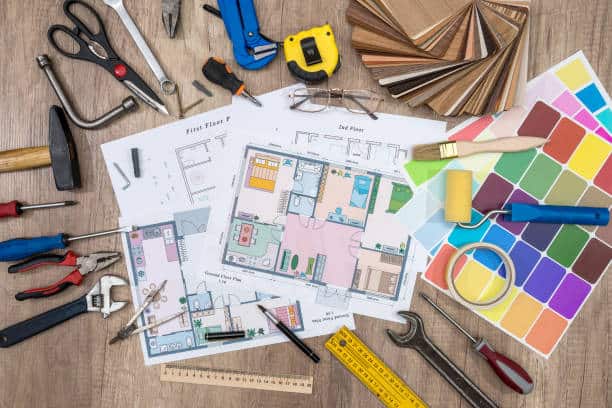
Gather available floor plans, identify operational restrictions, and consider how construction might affect employees, customers, or tenants. For projects involving structural changes or building systems, arrange appropriate professional assessments before finalizing the construction plan.
Once your requirements are clear, request proposals from qualified contractors. Compare their experience, scope of work, pricing, communication, and proposed schedules before making a decision.
Preparation helps you choose a contractor whose approach aligns with your property, budget, and business objectives.
Commercial Remodeling Services in Kemah
Commercial property owners and businesses in Kemah may need different types of remodeling depending on their building’s condition and intended use.
Common services include office remodeling, retail renovations, commercial interior improvements, flooring installation, painting, lighting upgrades, restroom remodeling, reception-area renovations, and space planning.
Some projects focus on refreshing outdated finishes, while others involve more extensive renovations to accommodate new tenants or changing operational needs.
A successful commercial remodeling project should balance appearance, functionality, durability, budget, and compliance with applicable requirements. A qualified contractor can help assess the property, define the necessary work, and coordinate the renovation process.
Whether you are upgrading an existing business location or preparing a commercial property for future occupancy, choosing the right contractor is an important step toward achieving practical, lasting improvements.
Frequently Asked Questions
How do I choose the right remodeling contractor in Kemah?
Look for relevant commercial remodeling experience, positive client references, appropriate insurance, clear written estimates, realistic schedules, and strong communication. Verify applicable licensing and permit requirements before signing a contract.
What should be included in a commercial remodeling estimate?
A detailed estimate should identify the scope of work, materials, labor, estimated timeline, payment terms, exclusions, and the process for approving additional work. It should also clarify who is responsible for permits and inspections where applicable.
How many contractors should I compare?
Comparing two or three qualified contractors is a practical starting point. Ask each contractor to price a similar scope so you can evaluate differences in cost, materials, scheduling, and project management.
How much does commercial remodeling cost in Kemah?
Costs depend on the property’s size, current condition, material choices, labor requirements, and complexity of the renovation. Projects involving structural changes or major building-system upgrades typically require different budgets from cosmetic improvements. A site assessment and detailed estimate provide a more reliable cost projection.
Can a business remain open during commercial remodeling?
Some businesses can remain open if construction is completed in phases or scheduled around operating hours. The feasibility depends on the type of work, site safety, access requirements, and whether essential building systems must be temporarily shut down.
Do I need a permit for commercial remodeling in Kemah?
Some projects require permits or inspections, especially those involving structural changes, electrical work, plumbing, mechanical systems, or changes in occupancy. Confirm the requirements for your specific property and project with the relevant local authorities.
Why is commercial remodeling experience important?
Commercial projects may involve multiple trades, specialized materials, accessibility requirements, occupied spaces, and operational restrictions. A contractor with relevant experience is more likely to understand these challenges and plan the work accordingly.
What should I review before signing a remodeling contract?
Review the project scope, materials, pricing, payment schedule, estimated timeline, change-order process, permit responsibilities, and warranty terms where applicable. Make sure all important commitments are documented in writing.
Final Thoughts
Choosing the right remodeling contractor in Kemah requires careful evaluation of experience, workmanship, pricing, communication, and project management. A successful renovation depends not only on the contractor’s construction skills but also on the ability to coordinate the work, manage costs, follow applicable requirements, and respect business operations.
Take time to compare detailed proposals, review relevant projects, verify insurance and permit responsibilities, and establish a clear written agreement before construction begins.
If your office, retail store, restaurant, or other commercial property needs an upgrade, work with a qualified commercial remodeling contractor to assess your space, discuss your priorities, and develop a renovation plan that supports your business goals.