How to Choose Commercial Building Materials
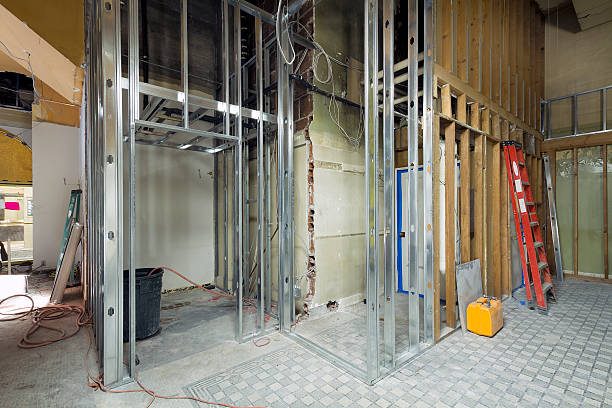
Choosing the right commercial building materials is an important decision for any remodeling or construction project. The materials you select can affect durability, maintenance costs, appearance, energy efficiency, safety, and the overall performance of your commercial property.
Whether you’re remodeling an office, retail store, medical facility, or other commercial space, selecting materials based on your property’s specific requirements can help protect your investment and create a functional environment.
Why Commercial Building Materials Matter
Commercial properties experience regular use and often require materials that can withstand heavy traffic and daily wear.
The right materials can help provide:
- Long-term durability
- Lower maintenance requirements
- Better appearance
- Improved functionality
- Better occupant experience
- Reduced replacement costs
- Consistent performance
Choosing materials based only on the lowest upfront price may result in higher maintenance or replacement costs later.
1. Consider Durability
Durability should be one of the first factors when choosing commercial materials.
Consider how much use the space receives and whether materials will be exposed to:
- Heavy foot traffic
- Frequent cleaning
- Moisture
- Impact
- Temperature changes
- Daily equipment use
For high-traffic areas, durable materials can provide better long-term value.
2. Evaluate Maintenance Requirements
Different materials require different levels of maintenance.
Before selecting a product, ask:
- How often does it need cleaning?
- Does it require special maintenance?
- How easily can it be repaired?
- Are replacement parts readily available?
- How long is the expected service life?
Low-maintenance materials can help reduce ongoing operating costs.
3. Consider Your Commercial Property Type
The best materials depend on how the property is used.
Office Buildings
Offices may benefit from durable flooring, acoustic materials, efficient lighting, and professional finishes.
Retail Stores
Retail spaces often need flooring, walls, fixtures, and finishes that can withstand heavy customer traffic.
Medical Offices
Medical facilities may require easy-to-clean surfaces, durable materials, appropriate flooring, and finishes suitable for healthcare environments.
Restaurants
Restaurants often require materials that can withstand frequent cleaning, moisture, spills, and heavy daily use.
4. Choose the Right Commercial Flooring
Flooring is one of the most noticeable and heavily used elements of a commercial property.
Common options include:
- Luxury Vinyl Tile (LVT)
- Porcelain tile
- Ceramic tile
- Commercial carpet
- Polished concrete
- Other commercial-grade flooring systems
Consider durability, maintenance, appearance, traffic levels, and the specific requirements of the space before choosing a flooring material.
5. Consider Appearance and Branding
Commercial materials should support the overall appearance of your business.
Colors, textures, finishes, flooring, wall materials, lighting, and architectural details can all contribute to your company’s visual identity.
A professional and consistent interior can create a stronger impression on customers, clients, and employees.
6. Compare Initial Cost and Long-Term Value
The cheapest material is not always the most cost-effective option.
When comparing materials, consider:
Initial cost + installation + maintenance + repairs + replacement
A more durable material may cost more upfront but provide better long-term value.
7. Consider Energy Efficiency
Energy-efficient building materials and systems can help reduce operating costs.
Depending on the project, consider:
- Energy-efficient windows
- Insulation
- LED lighting
- Efficient HVAC equipment
- Reflective roofing materials
- Energy-efficient doors
Your contractor can help identify opportunities that fit your property and renovation goals.
8. Review Safety and Accessibility
Commercial materials should also support a safe and accessible environment.
Consider:
- Slip resistance
- Floor transitions
- Accessible routes
- Appropriate lighting
- Durable surfaces
- Fire-related requirements
- Applicable accessibility standards
Project-specific requirements should be reviewed by qualified professionals.
9. Consider Installation Requirements
Some materials require specialized installation, equipment, or experienced labor.
Before selecting a product, determine:
- Installation time
- Labor requirements
- Substrate preparation
- Availability of installers
- Project schedule
- Potential installation challenges
Choosing a material that fits the construction schedule can help prevent unnecessary delays.
10. Check Product Availability
Material availability can affect project timelines.
Before approving a material, ask about:
- Current availability
- Lead times
- Local suppliers
- Replacement availability
- Product discontinuation risks
Selecting readily available materials can help reduce potential delays.
How to Choose the Right Commercial Building Materials
A practical selection process includes:
- Define your project requirements.
- Determine your budget.
- Evaluate the property’s use.
- Compare durability and maintenance.
- Review appearance and design.
- Consider energy efficiency.
- Check safety and accessibility.
- Compare long-term value.
- Confirm product availability.
- Discuss options with an experienced commercial remodeling contractor.
Why Choose Commercial Remodeling Inc.?
Commercial Remodeling Inc. provides professional commercial remodeling and renovation services throughout Texas. Our team helps businesses select practical materials and complete remodeling projects based on their property, budget, and business requirements.
Our services include:
- Commercial remodeling
- Office remodeling
- Retail remodeling
- Medical office remodeling
- Commercial flooring
- Lighting upgrades
- Tenant improvements
- Interior renovations
- Commercial build-outs
We focus on quality workmanship, practical planning, durable materials, and professional results.
Frequently Asked Questions
What are the most important factors when choosing commercial building materials?
Durability, maintenance, cost, appearance, safety, availability, performance, and the specific use of the property are important factors.
Should I choose the cheapest commercial materials?
Not necessarily. A material with a higher initial cost may provide better long-term value if it lasts longer and requires less maintenance.
What flooring is best for commercial buildings?
The best flooring depends on traffic levels, property type, maintenance requirements, design preferences, and budget. Commercial-grade LVT, tile, carpet, and other flooring options can be considered.
How can commercial building materials reduce maintenance costs?
Durable, easy-to-clean, and properly installed materials can reduce repairs, maintenance frequency, and premature replacement.
Should a contractor help select building materials?
Yes. An experienced commercial remodeling contractor can help evaluate material performance, installation requirements, availability, and overall project compatibility.
Final Thoughts
Knowing how to choose commercial building materials can help property owners make better decisions for long-term performance and value. The right materials should balance durability, maintenance, appearance, cost, safety, and the specific needs of the commercial space.
If you’re planning a commercial remodeling project in Texas, Commercial Remodeling Inc. can help you select practical materials and create a professional, functional space designed around your business goals.