Commercial Remodeling vs. Commercial Renovation: What’s the Difference?
When a commercial property becomes outdated or no longer meets your business needs, you may consider remodeling or renovation. Although these terms are often used interchangeably, commercial remodeling and commercial renovation can involve different types and scopes of work.
Understanding the difference can help business owners choose the right approach, create a realistic budget, and improve their commercial property effectively.
What Is Commercial Renovation?
Commercial renovation generally focuses on updating, repairing, or refreshing an existing commercial space without significantly changing its basic layout.
Common commercial renovation projects include:
- Interior painting
- Commercial flooring replacement
- Lighting upgrades
- Ceiling improvements
- Restroom updates
- Door and hardware replacement
- New fixtures and finishes
- Common-area improvements
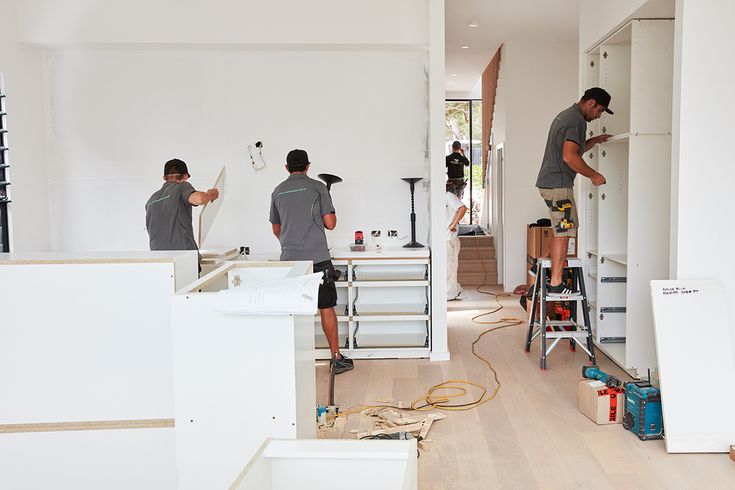
For example, replacing worn carpet with commercial-grade flooring and repainting an office can be considered a commercial renovation.
Renovation is often a good choice when the existing floor plan works well but the property needs a modern appearance or functional improvements.
What Is Commercial Remodeling?
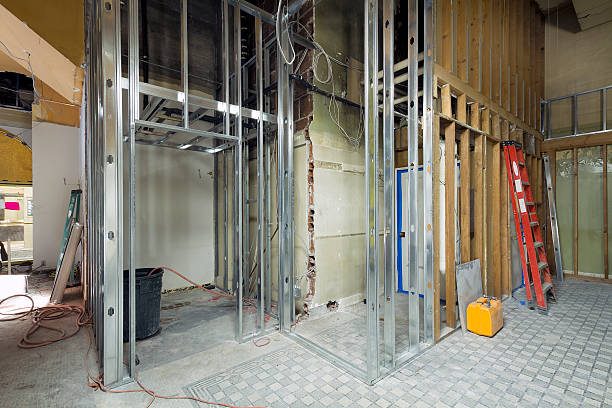
Commercial remodeling typically involves more significant changes to the design, layout, or functionality of a commercial property.
A remodeling project may include:
- Reconfiguring floor plans
- Adding or removing interior walls
- Creating private offices
- Building conference rooms
- Expanding reception areas
- Creating flexible workspaces
- Improving employee circulation
- Reconfiguring restrooms
- Repurposing existing spaces
For example, converting an open office into private offices, meeting rooms, and collaborative areas would generally be considered commercial remodeling.
Commercial Remodeling vs. Commercial Renovation
The primary difference is the scope of change.
Commercial renovation generally improves what already exists, while commercial remodeling can change how the property is organized and used.
| Commercial Renovation | Commercial Remodeling |
|---|---|
| Updates existing spaces | Changes space configuration |
| Often focuses on finishes | Focuses on layout and functionality |
| Painting and flooring are common | Wall and room changes may be involved |
| May have a smaller scope | Usually has a broader scope |
| Refreshes an existing property | Can transform the property |
Some commercial projects may include both remodeling and renovation.
When Should You Choose Commercial Renovation?
Commercial renovation may be the better option when your property is functional but looks outdated or requires specific improvements.
Consider renovation if:
- Flooring is worn
- Walls need repainting
- Lighting is outdated
- Restrooms need updating
- Finishes look old
- Common areas need improvement
- The existing floor plan works well
A renovation can give your property a fresh and professional appearance without requiring major changes to its layout.
When Should You Choose Commercial Remodeling?
Commercial remodeling may be more appropriate when your existing space no longer supports your business.
You may need remodeling if:
- Your business has grown
- The existing layout is inefficient
- You need additional offices
- You want a larger reception area
- You need conference rooms
- Employee workflow needs improvement
- Existing rooms need to be repurposed
- You want a more flexible workspace
A well-planned remodeling project can transform an inefficient property into a space designed around your business operations.
Commercial Remodeling and Renovation Costs
The cost of a commercial remodeling or renovation project varies based on the property’s size, location, materials, labor, existing condition, and project scope.
Important cost factors include:
- Building size
- Project complexity
- Material selection
- Labor requirements
- Existing building conditions
- Floor plan changes
- Electrical work
- Plumbing modifications
- Accessibility improvements
- Permitting requirements
A renovation involving painting, flooring, and lighting may have a smaller scope than a remodeling project involving significant layout changes.
For an accurate budget, property owners should obtain a detailed assessment and estimate from an experienced commercial remodeling contractor.
How Long Does Commercial Remodeling Take?
The project timeline depends on the size and complexity of the work. A small renovation may take less time than a major commercial remodeling project.
Factors affecting the timeline can include:
- Design and planning
- Permits
- Material availability
- Construction complexity
- Existing property conditions
- Inspections
- Contractor scheduling
Careful planning before construction begins can help reduce unnecessary delays.
Can a Business Stay Open During Remodeling?
In many cases, yes. Commercial remodeling can sometimes be completed in phases, allowing businesses to continue operating in unaffected areas.
Phased construction can be useful for:
- Office buildings
- Medical offices
- Retail stores
- Professional businesses
- Other occupied commercial facilities
A professional contractor can develop a construction schedule designed to minimize disruption to employees and customers.
Benefits of Commercial Remodeling
A well-planned commercial remodeling project can provide several benefits, including:
- Better space utilization
- Improved workflow
- Modern appearance
- Better customer experience
- Increased functionality
- Improved accessibility
- Flexible workspaces
- Stronger professional image
Remodeling can also help businesses prepare their properties for future growth.
Benefits of Commercial Renovation
Commercial renovation can be a practical way to improve an existing property without significantly changing its floor plan.
Potential benefits include:
- Updated appearance
- Improved functionality
- Modern finishes
- Better maintenance
- Improved customer perception
- Enhanced property appeal
- Lower project complexity in some cases
Renovation can be ideal when the property is fundamentally functional but needs modernization.
Can a Project Include Both Remodeling and Renovation?
Yes. Many commercial improvement projects combine both approaches.
For example, a business may remodel its floor plan to create new offices and conference rooms and then renovate the space with new flooring, lighting, paint, and finishes.
Combining remodeling and renovation can provide a more complete transformation while addressing both functional and aesthetic needs.
Which Option Is Right for Your Business?
The right choice depends on your property’s condition and business goals.
Choose commercial renovation when your existing layout works well but the property needs updates.
Choose commercial remodeling when your existing layout no longer meets your business requirements and you need to change how the space is organized.
If you’re unsure, a professional property evaluation can help determine whether remodeling, renovation, or a combination of both is appropriate.
How to Plan a Commercial Remodeling or Renovation Project
Before starting your project:
- Evaluate your existing commercial property.
- Identify functional and appearance-related problems.
- Define your business goals.
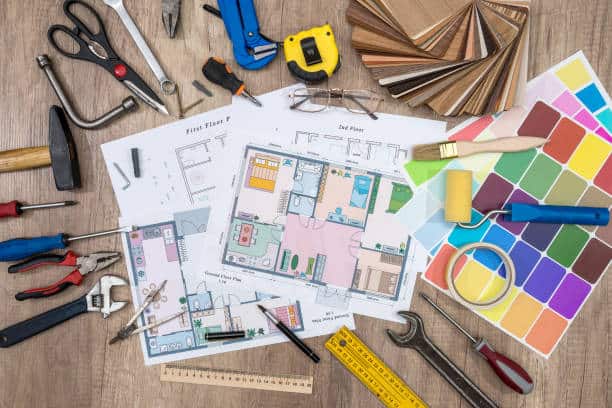
- Determine the required scope of work.
- Establish a realistic budget.
- Select durable commercial-grade materials.
- Develop a construction schedule.
- Plan for potential business disruption.
- Work with an experienced commercial remodeling contractor.
Proper planning can help control costs, reduce delays, and achieve better long-term results.
Why Choose Commercial Remodeling Inc.?
Commercial Remodeling Inc. provides professional commercial remodeling and renovation services throughout Texas. Our team helps businesses and property owners create modern, functional, and professional commercial spaces.
Our services include:
- Commercial remodeling
- Commercial renovation
- Office remodeling
- Retail remodeling
- Medical office remodeling
- Commercial flooring
- Lighting upgrades
- Interior renovations
- Tenant improvements
- Accessibility improvements
- Commercial build-outs
We focus on practical design, quality workmanship, durable materials, and efficient project management.
Frequently Asked Questions
What is the main difference between commercial remodeling and renovation?
Commercial renovation generally focuses on updating an existing space, while commercial remodeling often involves changing the property’s layout, design, or functionality.
Is commercial remodeling more expensive than renovation?
It can be, particularly when major layout, electrical, plumbing, or construction changes are required. However, costs depend on the project’s specific scope.
Can commercial remodeling and renovation be done together?
Yes. Many commercial projects combine layout changes with flooring, painting, lighting, fixtures, and other renovation improvements.
How do I know which option my business needs?
If your existing layout works but the property looks outdated, renovation may be sufficient. If your layout no longer supports your business, remodeling may be the better choice.
Can commercial remodeling increase property value?
Well-planned improvements can enhance functionality, appearance, marketability, and tenant appeal, potentially supporting long-term property value.
Final Thoughts
Understanding commercial remodeling vs. commercial renovation can help business owners make better decisions about improving their commercial properties. Renovation generally focuses on updating an existing space, while remodeling can transform its layout and functionality.
Whether you need new flooring and lighting or a complete commercial space transformation, choosing the appropriate scope of work is important for achieving your goals.
If you’re planning a commercial remodeling or renovation project in Texas, Commercial Remodeling Inc. can help you create a practical plan for a modern, functional, and professional commercial space.