Commercial Construction and Renovation in Texas City
Commercial construction and renovation in Texas City can help businesses create functional, attractive, and efficient spaces that support daily operations and future growth. Whether you are developing a new commercial property, renovating an existing building, or completing a business build-out, careful planning is essential for achieving the desired results.
A successful commercial renovation considers the property’s layout, business requirements, materials, budget, scheduling, and construction needs. From office remodeling and retail renovations to restaurant and medical facility improvements, every commercial project requires a practical approach tailored to the space.
Define Your Commercial Project Goals
Before starting construction or renovation, determine what you want the project to accomplish. A business may need additional work areas, improved customer spaces, better storage, updated finishes, or a more efficient layout.
Clear project goals help guide design decisions, budgeting, material selection, and construction planning.
Evaluate the Existing Commercial Property
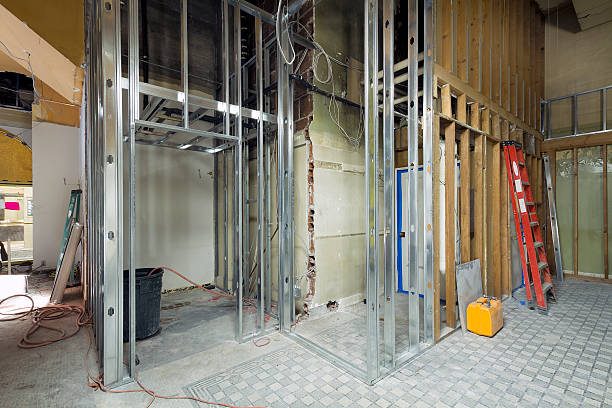
For renovation projects, evaluating the current condition of the building is an important first step. Walls, ceilings, flooring, electrical systems, plumbing, lighting, doors, and other components should be considered before developing the construction plan.
Identifying existing issues early can help reduce unexpected complications and create a more realistic renovation budget.
Improve Commercial Space Planning
Effective space planning can make a commercial property more functional and efficient. The layout should support employee movement, customer flow, storage, equipment, and everyday business activities.
Office spaces may require workstations, conference rooms, private offices, and reception areas. Retail properties need organized displays and clear customer pathways, while restaurants require efficient connections between dining, kitchen, service, and storage areas.
Plan Office Renovations
Office renovation can modernize an outdated workplace while improving functionality. Common improvements include flooring, lighting, ceilings, partitions, reception areas, conference rooms, workstations, and storage.
A well-planned office renovation should balance employee needs, business operations, appearance, and future flexibility.
Upgrade Retail Commercial Spaces
Retail renovation provides an opportunity to improve customer experience and product presentation. Businesses can update entrances, flooring, lighting, displays, shelving, checkout areas, storage, and customer pathways.
A thoughtful retail layout can make the space easier to navigate while helping employees manage daily operations.
Consider Restaurant Renovation and Build-Outs
Restaurant construction and renovation involve multiple functional areas, including kitchens, dining spaces, restrooms, storage, service areas, plumbing, electrical systems, and ventilation.
Proper planning helps coordinate these components while creating an environment that supports efficient staff movement and a comfortable customer experience.
Renovate Medical and Professional Facilities
Medical offices, clinics, dental practices, and other professional facilities may require specialized layouts. Renovations can include reception areas, waiting rooms, consultation rooms, treatment areas, offices, flooring, lighting, and accessibility improvements.
The design should support efficient operations while creating an organized and welcoming environment for visitors and staff.
Choose Durable Commercial Materials
Commercial properties experience frequent use, making material selection an important part of renovation planning. Flooring, wall finishes, countertops, doors, cabinetry, and other surfaces should be selected based on durability, maintenance, appearance, and the requirements of the business.
Quality commercial materials can help maintain the property’s appearance and reduce future maintenance concerns.
Establish a Realistic Renovation Budget
A commercial renovation budget may include design, materials, labor, permits, electrical and plumbing work, structural modifications, equipment, and other project expenses.
Prioritizing essential improvements and establishing a realistic budget before construction begins can help businesses manage project costs more effectively.
Understand Permits and Construction Requirements
Commercial construction and renovation projects may involve permits, inspections, building requirements, safety standards, and accessibility considerations.
Understanding applicable requirements early can help reduce delays and keep the project moving according to the planned schedule.
Minimize Disruption to Business Operations
Renovating an operating business requires careful scheduling. Depending on the project scope, construction can sometimes be completed in phases to reduce disruption.
Coordinating work around business hours, customer traffic, employee activities, and safety requirements can make the renovation process more manageable.
Work With a Commercial Remodeling Contractor
Commercial construction and renovation involve many interconnected tasks, including planning, design coordination, budgeting, materials, permits, scheduling, and construction.
An experienced commercial remodeling contractor can help coordinate these elements and develop a project plan based on the property’s condition and the business’s goals.
FAQ
What types of commercial properties can be renovated?
Offices, retail stores, restaurants, medical facilities, professional offices, and other commercial properties can be renovated to improve functionality, appearance, and space utilization.
What should be considered before a commercial renovation?
Businesses should consider project goals, existing property conditions, space planning, budget, materials, permits, scheduling, and potential impacts on daily operations.
Can commercial renovation improve business efficiency?
Yes. A better layout, improved lighting, organized work areas, efficient storage, and upgraded facilities can support smoother daily operations.
Can a business remain open during renovation?
Some projects can be completed in phases to reduce disruption, depending on the scope of work and the safety requirements of the property.
Final Thoughts
Commercial construction and renovation in Texas City can transform outdated or inefficient properties into functional spaces that better support businesses, employees, and customers. With careful planning, durable materials, realistic budgeting, and coordinated construction, businesses can create commercial environments designed for long-term use and growth.