What Do Commercial Remodeling Services Include?
Commercial remodeling can transform an outdated, inefficient, or underused property into a more functional and professional business environment. But what exactly do commercial remodeling services include?
The answer depends on the property’s condition, business goals, building type, and project scope. Commercial remodeling may involve everything from interior updates and flooring to complete space reconfiguration and commercial build-outs.
Whether you own an office, retail store, medical facility, restaurant, or other commercial property, understanding the typical services can help you plan your project more effectively.
1. Office Remodeling
Office remodeling focuses on improving workplace functionality, appearance, and employee comfort.
Services may include:
- Office layout changes
- Private offices
- Conference rooms
- Reception areas
- Workstations
- Flooring
- Lighting
- Ceilings
- Interior finishes
- Storage improvements
A well-planned office remodel can create a workspace that better supports your team’s daily workflow.
2. Retail Remodeling
Retail spaces need to look professional while making it easy for customers to navigate the store.
Retail remodeling services may include:
- Store layout improvements
- Display areas
- Flooring
- Lighting
- Checkout areas
- Customer pathways
- Interior finishes
- Reception or service counters
The right design can help create a more welcoming and functional customer environment.
3. Medical Office Remodeling
Medical facilities have unique requirements for functionality, accessibility, cleanliness, and patient experience.
Commercial remodeling for medical offices may include:
- Reception areas
- Waiting rooms
- Exam rooms
- Treatment areas
- Private offices
- Restrooms
- Flooring
- Lighting
- Interior finishes
Planning should account for the needs of patients, staff, visitors, and healthcare operations.
4. Tenant Improvements
Tenant improvement projects customize commercial spaces for a specific business or tenant.
Common improvements include:
- Interior partitions
- Offices
- Workspaces
- Flooring
- Lighting
- Ceilings
- Doors
- Reception areas
- Restrooms
- Finishes
Tenant improvements can help businesses create a space that fits their operations and brand.
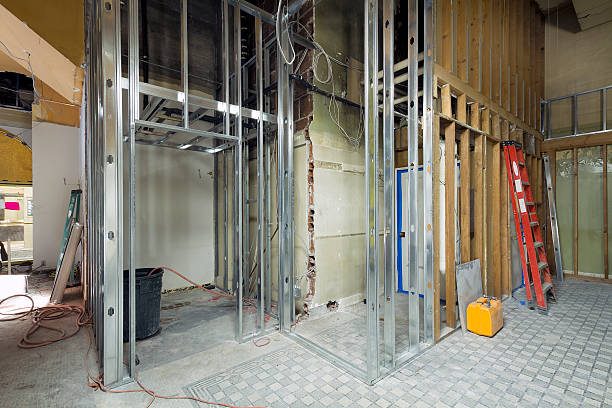
5. Commercial Build-Outs
A commercial build-out prepares an unfinished or partially finished space for business use.
Depending on the project, a build-out may include layout development, interior walls, flooring, ceilings, lighting, electrical work, plumbing, doors, finishes, and other improvements.
The exact scope depends on the condition of the space and the tenant’s requirements.
6. Commercial Flooring
Flooring is an important part of any commercial remodeling project because it must withstand daily traffic while maintaining a professional appearance.
Depending on the application, options may include:
- Luxury Vinyl Tile (LVT)
- Porcelain tile
- Commercial carpet
- Other commercial-grade flooring
The right flooring depends on traffic, maintenance needs, design preferences, and budget.
7. Interior Renovations
Commercial remodeling can include a wide range of interior improvements, such as:
- Painting
- Wall finishes
- Ceilings
- Doors
- Trim
- Lighting
- Fixtures
- Interior partitions
These improvements can modernize the appearance and functionality of an existing commercial property.
8. Space Planning and Layout Improvements
An inefficient layout can make a commercial property difficult to use.
Remodeling can help reorganize:
- Work areas
- Customer spaces
- Reception
- Meeting rooms
- Storage
- Restrooms
- Circulation paths
A functional layout should support how people actually use the property.
9. Accessibility Improvements
Commercial remodeling may also involve accessibility-related improvements.
Depending on the project and applicable requirements, improvements can include entrances, accessible routes, doors, restrooms, signage, and other areas.
Businesses should work with qualified professionals to determine the accessibility requirements applicable to their specific project.
10. Energy-Efficient Upgrades
Some remodeling projects provide an opportunity to improve energy efficiency.
Potential upgrades may include:
- LED lighting
- Energy-efficient equipment
- Improved windows
- HVAC improvements
- Lighting controls
- Better insulation
Energy-efficient improvements may help reduce operating expenses while improving comfort.
What Does a Commercial Remodeling Project Cost?
There is no single price for commercial remodeling. Costs depend on:
- Property size
- Existing building condition
- Project scope
- Labor
- Materials
- Design requirements
- Permits
- Accessibility requirements
- Project complexity
The best way to establish a realistic budget is to define the scope and obtain a detailed project estimate from an experienced commercial remodeling contractor.
How Does the Commercial Remodeling Process Work?
A typical project may follow these steps:
1. Consultation: Discuss business goals and property requirements.
2. Property Assessment: Evaluate the existing space and identify potential issues.
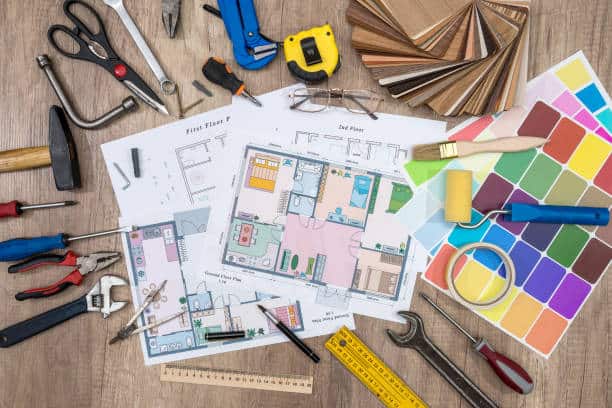
3. Planning and Design: Develop the layout, materials, finishes, and project scope.
4. Budgeting: Establish a realistic construction budget.
5. Permitting: Address applicable permits and inspections.
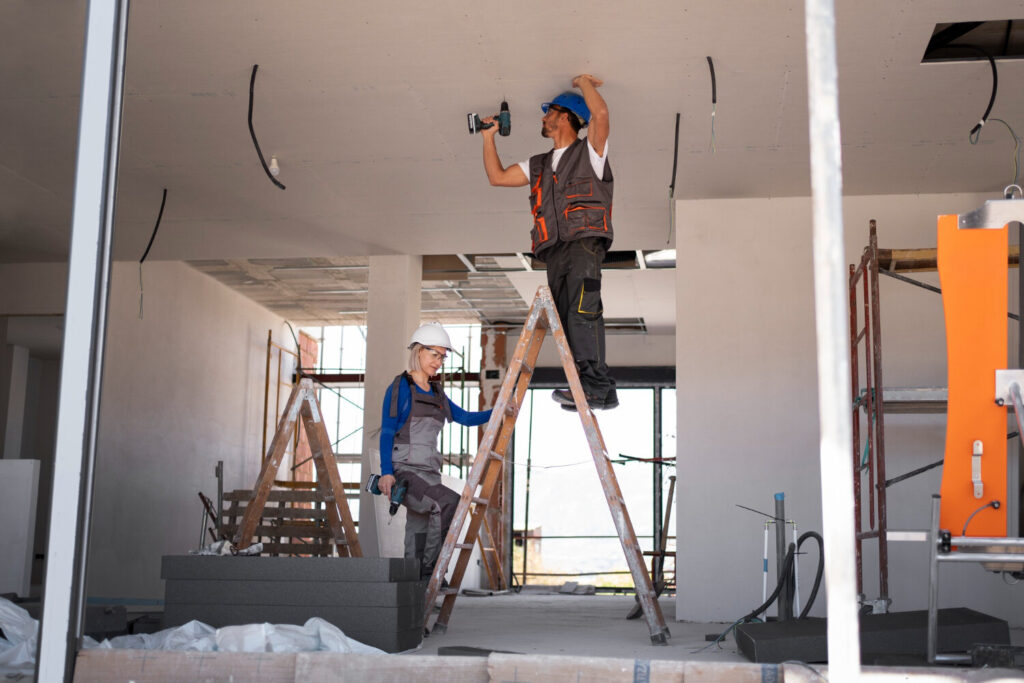
6. Construction: Complete the planned remodeling work.
7. Final Walkthrough: Review completed work and address outstanding items.
Why Choose Commercial Remodeling Inc.?
Commercial Remodeling Inc. provides professional commercial remodeling services throughout Texas. We help businesses improve offices, retail spaces, medical facilities, and other commercial properties.
Our services include commercial remodeling, office remodeling, retail remodeling, medical office remodeling, tenant improvements, commercial flooring, interior renovations, and commercial build-outs.
Our team focuses on quality workmanship, practical design, durable materials, clear communication, and efficient project coordination.
Frequently Asked Questions
What are the most common commercial remodeling services?
Common services include office remodeling, retail renovations, medical office remodeling, tenant improvements, commercial flooring, interior renovations, space planning, accessibility improvements, and commercial build-outs.
How long does commercial remodeling take?
The timeline depends on the size, condition, scope, materials, permitting, and complexity of the project.
Can a business remain open during remodeling?
Depending on the project, phased construction or after-hours work may help businesses continue operating while improvements are completed.
How do I choose the right commercial remodeling contractor?
Look for relevant commercial experience, quality workmanship, strong references, clear communication, detailed estimates, proper credentials, and effective project management.
Final Thoughts
So, what do commercial remodeling services include? They can cover everything from simple interior improvements and flooring upgrades to complete commercial build-outs and space transformations.
The right remodeling plan depends on your property, business operations, budget, and long-term goals. Working with an experienced commercial remodeling contractor can help you determine which improvements make the most sense for your space.
If you’re planning a commercial remodeling project in Texas, contact Commercial Remodeling Inc. to discuss your project requirements and create a practical remodeling plan for your business.