How Much Do Tenant Improvements Cost?
Leasing a commercial property often means making changes before your business can open. Whether you’re moving into an office, retail store, restaurant, medical clinic, or other commercial space, you’ll likely need tenant improvements (TIs) to customize the property for your operations.
One of the first questions business owners ask is, “How much do tenant improvements cost?”
The answer depends on the size of the space, the existing condition of the property, the complexity of the design, and the type of business. Understanding these costs before signing a lease or starting construction can help you budget effectively and avoid unexpected expenses.
What Are Tenant Improvements?
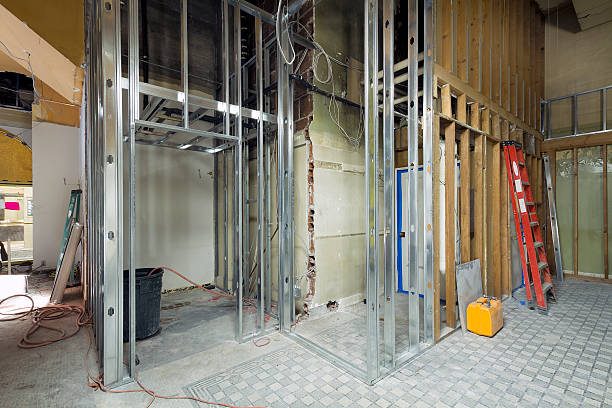
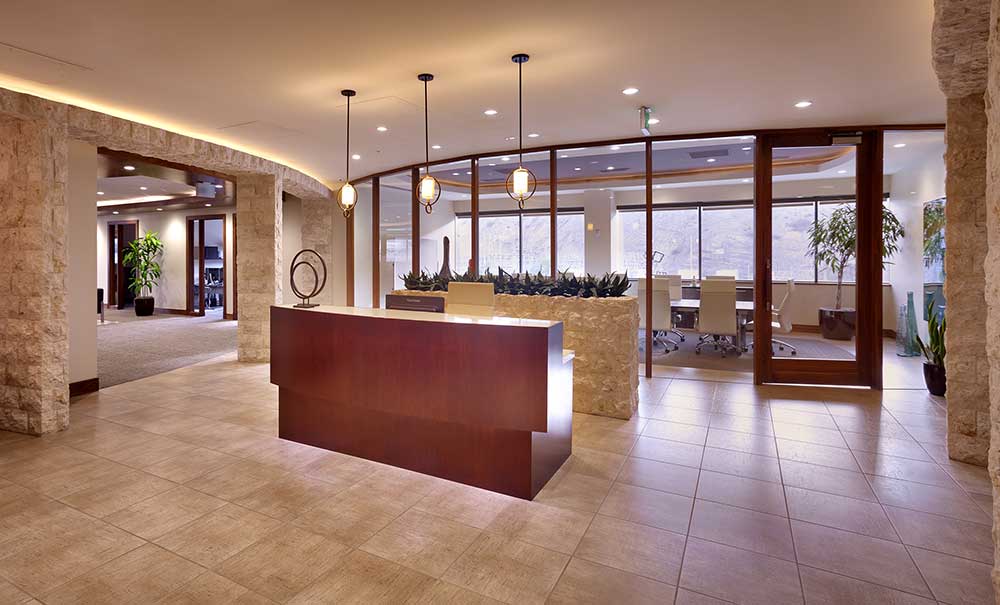
Tenant improvements are interior modifications made to a leased commercial property to meet the specific needs of a tenant. These improvements transform a vacant or unfinished space into a functional workplace.
Common tenant improvements include:
- Interior walls and partitions
- Drywall installation
- Flooring
- Painting
- Ceiling systems
- Lighting installation
- Electrical upgrades
- Plumbing modifications
- HVAC adjustments
- Reception areas
- Conference rooms
- Break rooms
- Restrooms
- Custom cabinetry
- Accessibility improvements
The exact scope depends on your business operations and lease agreement.
Average Tenant Improvement Costs
While every project is unique, the following ranges provide a general estimate for tenant improvement costs in 2026:
| Project Type | Estimated Cost per Sq. Ft. |
|---|---|
| Basic Office Improvements | $30–$70 |
| Standard Office Build-Out | $70–$120 |
| High-End Office Space | $120–$200+ |
| Retail Store Improvements | $60–$180 |
| Restaurant Tenant Improvements | $150–$350+ |
| Medical Office Improvements | $175–$400+ |
These estimates vary based on materials, labor costs, location, and project complexity.
Factors That Affect Tenant Improvement Costs
1. Existing Condition of the Space
The condition of the leased property has a significant impact on the budget.
White Box Space
A white box space typically includes:
- Painted drywall
- Basic lighting
- HVAC
- Electrical service
Since many systems are already installed, construction costs are generally lower.
Shell Space
A shell space often requires:
- Complete interior framing
- Electrical systems
- Plumbing
- HVAC installation
- Ceiling systems
- Flooring
Shell spaces typically require a larger investment.
2. Type of Business
Different industries require different levels of customization.
Office Spaces
Typical improvements include:
- Private offices
- Conference rooms
- Reception areas
- Break rooms
Retail Stores
Retail improvements often include:
- Display areas
- Storage rooms
- Custom lighting
- Fitting rooms
Restaurants
Restaurant projects usually require:
- Commercial kitchens
- Grease traps
- Ventilation systems
- Additional plumbing
- Health code compliance
Medical Facilities
Medical offices often need:
- Examination rooms
- Specialized electrical systems
- Medical plumbing
- Accessibility features
- Additional HVAC requirements
3. Material Selection
Your choice of finishes significantly affects project costs.
Examples include:
- Luxury vinyl flooring
- Ceramic tile
- Glass office partitions
- Custom cabinetry
- Premium lighting
- Decorative wall finishes
Higher-quality materials increase upfront costs but often provide greater durability and long-term value.
4. Mechanical System Upgrades
Projects requiring significant electrical, plumbing, or HVAC modifications typically cost more than cosmetic renovations.
5. Permits and Inspections
Commercial construction often requires permits for:
- Structural work
- Electrical systems
- Plumbing
- HVAC
- Fire safety systems
- Accessibility compliance
Permit costs vary depending on local regulations and project scope.
What Is a Tenant Improvement Allowance?
A Tenant Improvement Allowance (TIA) is money a landlord contributes toward the cost of customizing the leased space.
The allowance is commonly negotiated during the lease process and may be offered as a dollar amount per square foot.
For example:
- Office lease allowance: $20–$60 per square foot (varies by market)
If construction costs exceed the allowance, the tenant usually pays the remaining balance.
Before signing a lease, clarify:
- The total allowance amount
- What expenses are covered
- Who pays for costs above the allowance
- Whether unused funds can be applied elsewhere
Additional Costs to Budget For
Beyond construction, consider expenses such as:
- Architectural design
- Engineering services
- Furniture
- Office equipment
- Technology infrastructure
- Security systems
- Business signage
- Moving expenses
- Contingency fund (10–15%)
Planning for these costs helps prevent budget overruns.
Tips to Reduce Tenant Improvement Costs
You can help manage expenses by:
- Finalizing your layout before construction starts
- Choosing durable, cost-effective materials
- Negotiating a larger tenant improvement allowance
- Ordering materials early
- Avoiding unnecessary design changes
- Hiring an experienced commercial remodeling contractor
Careful planning can save both time and money.
Why Hire a Professional Commercial Remodeling Contractor?
A qualified contractor can help you:
- Develop accurate cost estimates
- Maximize your tenant improvement budget
- Coordinate permits and inspections
- Manage construction efficiently
- Deliver quality workmanship
- Complete the project on schedule
Professional guidance reduces costly mistakes and keeps your project moving forward.
Why Choose Commercial Remodeling Inc.?
At Commercial Remodeling Inc., we help businesses throughout Texas complete high-quality tenant improvements that meet their operational needs and budget. Whether you’re leasing an office, retail store, restaurant, or medical facility, we provide customized remodeling solutions from planning through completion.
Our services include:
- Tenant improvements
- Commercial build-outs
- Office remodeling
- Retail renovations
- Restaurant build-outs
- Medical office remodeling
- Flooring installation
- Painting
- Lighting upgrades
- Interior finish work
- Project management
We work closely with business owners, landlords, and property managers to create professional spaces built for long-term success.
Frequently Asked Questions
How much do tenant improvements cost?
Costs vary depending on the type of business, size of the space, and level of customization. Basic office improvements may start around $30–$70 per square foot, while restaurants and medical facilities typically require larger investments.
What is included in tenant improvements?
Tenant improvements may include flooring, drywall, painting, electrical work, plumbing, lighting, HVAC modifications, reception areas, offices, and other interior finishes.
Does the landlord pay for tenant improvements?
Some landlords provide a tenant improvement allowance, while others require tenants to pay all or part of the construction costs. This depends on the lease agreement.
Can tenant improvement costs be negotiated?
Yes. Many commercial lease terms, including tenant improvement allowances and construction responsibilities, can be negotiated before signing the lease.
Final Thoughts
Tenant improvements are an important investment that allows you to customize a commercial space for your business. Understanding the factors that influence costs—and negotiating the right lease terms—can help you stay within budget and create a functional, professional environment.
If you’re planning tenant improvements in Texas, Commercial Remodeling Inc. is here to help. Contact us today for a free consultation and customized estimate. Our experienced team will guide you through every step of the process, delivering a commercial space that fits your business goals and budget.