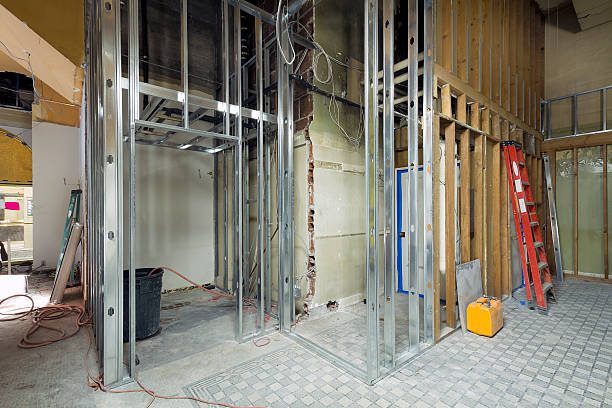
How to Choose the Right Office Renovation Contractor
Renovating an office is an important investment that can improve workplace functionality, employee comfort, business operations, and the overall appearance of a commercial property. Whether you are updating an outdated workspace, expanding your office, redesigning the reception area, or planning a complete interior renovation, choosing the right contractor is essential to achieving the desired results.
An experienced office renovation contractor can help transform your ideas into a practical renovation plan, coordinate construction activities, manage materials, and complete the project according to agreed requirements. However, selecting a contractor based only on the lowest estimate or a quick project timeline can lead to unexpected expenses, delays, and unsatisfactory workmanship.
Before hiring a contractor, business owners and property managers should evaluate several important factors, including commercial renovation experience, project management capabilities, communication, references, pricing, and familiarity with local building requirements.
This guide explains how to choose the right office renovation contractor and what to consider before starting your next commercial remodeling project.
1. Look for Experience in Commercial Office Renovation
The first step is to evaluate the contractor’s experience with commercial properties. Office renovations involve different requirements than residential remodeling. A commercial workspace must support daily business activities, employee movement, customer interactions, safety considerations, and the specific operational needs of the organization.
A contractor with relevant commercial experience is more likely to understand these requirements and recommend practical solutions.
Look for experience with projects such as:
- Office interior remodeling and upgrades.
- Reception and waiting area renovations.
- Conference room and meeting space improvements.
- Private office and executive workspace remodeling.
- Open-plan office redesigns.
- Commercial flooring installation and upgrades.
- Lighting and ceiling improvements.
- Breakroom and common-area renovations.
- Office build-outs and tenant improvements.
Ask potential contractors about similar projects they have completed. Their experience with comparable office environments can help you determine whether they understand the scope and complexity of your renovation.
2. Review Previous Projects and Portfolio
A contractor’s portfolio provides valuable insight into the quality, style, and range of their work. Reviewing completed projects can help you understand how they approach office layouts, material selection, interior finishes, and space improvements.
When evaluating a contractor’s portfolio, look for projects that demonstrate:
- Organized and functional office layouts.
- Quality flooring, wall, and ceiling finishes.
- Modern and practical lighting solutions.
- Well-designed reception and meeting areas.
- Consistent workmanship and attention to detail.
- Effective use of available commercial space.
Do not focus only on attractive photographs. Ask about the purpose of each project, the original challenges, the renovation scope, and how the contractor addressed the client’s requirements.
If possible, request references from previous commercial clients. Their feedback can help you understand the contractor’s reliability, communication, work quality, and ability to complete projects as agreed.
3. Confirm Licensing, Insurance, and Relevant Qualifications
Before hiring an office renovation contractor, verify that the business has the appropriate licenses, registrations, and insurance coverage required for the project and location.
Requirements can vary depending on the type of work, property, and local regulations. Some renovations may involve electrical, plumbing, structural, fire-safety, or accessibility-related work that requires qualified professionals and applicable permits.
Important items to verify include:
- Applicable contractor licensing or registration.
- General liability insurance.
- Workers’ compensation coverage where required.
- Relevant trade qualifications for specialized work.
- Experience coordinating permits and inspections.
- Knowledge of applicable building and safety requirements.
Ask the contractor to provide documentation when appropriate. You should also confirm that any subcontractors involved in specialized work have the qualifications and coverage required for their responsibilities.
Verifying these details helps reduce potential risks and gives business owners greater confidence before construction begins.
4. Understand the Full Range of Renovation Services
Office renovation projects often involve multiple types of work. Hiring a contractor who can coordinate the major components of the project may simplify communication and project management.
Depending on your requirements, office renovation services may include:
Interior Remodeling: Updating walls, ceilings, partitions, interior finishes, and other elements to create a more functional workspace.
Space Planning and Layout Improvements: Rearranging workstations, private offices, meeting rooms, and shared areas to improve movement and space utilization.
Commercial Flooring: Replacing worn flooring or installing materials suitable for office traffic, maintenance requirements, and interior design.
Lighting and Ceiling Upgrades: Improving lighting arrangements and ceiling finishes to create a more comfortable and functional work environment.
Reception and Waiting Area Remodeling: Updating the entrance and reception space to create a welcoming first impression for visitors and clients.
Breakroom and Common-Area Renovation: Improving shared spaces to support employee convenience and everyday workplace activities.
Office Build-Outs: Preparing commercial interiors for new tenants, expanding businesses, or organizations moving into a different space.
Before hiring, confirm which services the contractor provides directly and which require subcontractors. A clear understanding of responsibilities helps prevent confusion during the project.
5. Request a Detailed Written Estimate
Project pricing is one of the most important factors when choosing an office renovation contractor. However, the lowest quote does not always provide the best value.
A very low estimate may exclude important services, specify lower-quality materials, or overlook work that could become an additional expense later.
Request a detailed written proposal that explains the expected project costs and scope.
A comprehensive estimate should identify:
- Labor and installation costs.
- Material types, specifications, and allowances.
- Demolition and removal expenses, if applicable.
- Flooring, lighting, and interior finish costs.
- Equipment and subcontractor expenses.
- Permit-related costs where applicable.
- Project management and other service fees.
- Payment schedule and milestone requirements.
- Potential exclusions and additional charges.
Compare proposals based on the same renovation requirements. If one contractor includes flooring installation, lighting improvements, and cleanup while another excludes them, the estimates are not directly comparable.
Ask questions about unclear costs before signing an agreement. A transparent estimate helps you understand where your budget will be allocated and reduces the likelihood of unexpected financial issues.
6. Evaluate Communication and Project Management
Good communication is essential throughout an office renovation. Business owners need regular updates about project progress, material deliveries, scheduling, unexpected issues, and decisions that may affect the final result.
During the initial consultation, pay attention to how the contractor communicates. Do they listen carefully to your requirements? Do they explain technical details clearly? Are they willing to answer questions and discuss possible challenges?
A reliable office renovation contractor should provide:
- A clear point of contact.
- Defined project responsibilities.
- Regular progress updates.
- A process for handling questions and changes.
- Coordination with subcontractors and suppliers.
- Clear communication about delays or unexpected problems.
You should also understand who will supervise the project on-site and how frequently progress will be reviewed.
Effective project management helps keep renovation activities organized and ensures that important decisions are addressed before they create larger problems.
7. Discuss the Project Timeline Before Signing
Office renovations can affect employee productivity, customer access, and normal business operations. For this reason, it is important to understand the expected timeline before construction begins.
Ask the contractor to provide a realistic project schedule that identifies major stages, estimated completion dates, and important dependencies.
A typical office renovation may involve:
- Initial consultation and property assessment.
- Space planning and design development.
- Budget preparation and material selection.
- Permits and required approvals.
- Site preparation and demolition.
- Construction and installation.
- Interior finishing and final adjustments.
- Inspection, cleanup, and project handover.
The actual schedule depends on the size of the office, renovation complexity, material availability, permit requirements, and other project conditions.
Ask how the contractor plans to manage unexpected delays. It is also useful to discuss whether certain work can be completed after business hours, during weekends, or in separate phases to reduce disruption.
8. Make Sure the Contractor Understands Your Business Needs
Every office has different operational requirements. A law office, medical administration facility, technology company, financial services office, and customer service center may need very different layouts and interior features.
The right contractor should understand how your business uses its workspace before recommending renovation solutions.
Consider discussing:
- The number of employees and workstations.
- Private offices and shared work areas.
- Conference rooms and meeting spaces.
- Reception and visitor access.
- Storage and document management.
- Employee breakrooms and shared facilities.
- Accessibility and circulation requirements.
- Future expansion and changing business needs.
For example, a growing business may need a flexible layout that can accommodate additional employees. A customer-facing office may benefit from an improved reception area and more organized visitor space.
When the contractor understands your daily operations, the renovation plan is more likely to support your business goals rather than simply improve the appearance of the interior.
9. Ask About Materials, Workmanship, and Warranty
The materials used in an office renovation affect durability, maintenance, appearance, and long-term operating costs. Choosing materials based only on initial price can lead to higher maintenance expenses or early replacement.
Ask contractors to explain the materials they recommend and why they are suitable for your workspace.
Important considerations include:
Durability: Materials should be appropriate for the expected level of daily use and foot traffic.
Maintenance: Consider how easily surfaces, floors, and finishes can be cleaned and maintained.
Appearance: Materials should complement the company’s brand, interior design, and workplace environment.
Safety and Performance: Products should meet relevant requirements for their intended application.
Long-Term Value: Compare expected durability and maintenance needs rather than focusing only on purchase price.
You should also ask about workmanship warranties, manufacturer warranties, and the process for addressing defects after project completion. Make sure warranty terms and exclusions are documented in writing.
10. Check References and Online Reviews
Online reviews and client references can help you understand how a contractor performs beyond the information presented on their website.
Look for consistent feedback about project quality, punctuality, communication, professionalism, budget management, and problem-solving.
When contacting previous clients, consider asking:
- Was the project completed according to the agreed scope?
- Did the contractor communicate regularly?
- Were costs clearly explained?
- Were unexpected issues handled appropriately?
- Was the work completed within the expected timeline?
- Would you hire the contractor again?
Do not rely on a single review or testimonial. Consider the overall pattern of feedback and compare it with the contractor’s portfolio and project proposal.
11. Review the Contract Carefully Before Work Begins
Once you have selected a contractor, make sure all important project details are included in a written agreement. A clear contract protects both parties by defining expectations and responsibilities.
Your office renovation contract should cover:
- Complete project scope and specifications.
- Material descriptions and agreed selections.
- Estimated start and completion dates.
- Total project cost and payment schedule.
- Permit and inspection responsibilities.
- Subcontractor arrangements.
- Change order procedures.
- Cleanup and waste removal responsibilities.
- Warranty information.
- Procedures for handling delays and disputes.
Avoid relying on verbal promises for important project requirements. Any agreed changes should be documented and approved before the additional work begins.
Review the contract carefully and ask for clarification if any section is unclear.
12. Consider the Impact on Daily Business Operations
One of the biggest challenges of office renovation is maintaining business continuity. Construction noise, dust, restricted access, and temporary utility interruptions can affect employees and customers.
An experienced contractor should discuss these concerns during the planning stage and recommend ways to reduce disruption.
Possible strategies include:
- Completing renovations in separate phases.
- Scheduling noisy work outside normal business hours.
- Temporarily relocating employees to unaffected areas.
- Establishing designated construction zones.
- Protecting furniture, equipment, and existing finishes.
- Maintaining safe access to essential office facilities.
- Coordinating material deliveries and waste removal.
For businesses that cannot close during construction, phased renovation may be a practical approach. Discuss these arrangements before the project starts so that the contractor can incorporate them into the schedule.
Common Mistakes to Avoid When Hiring an Office Renovation Contractor
Choosing the wrong contractor can create unnecessary costs, delays, and project complications. Avoid these common mistakes:
Selecting a Contractor Based Only on Price: A low estimate may exclude important services or involve unsuitable materials. Compare the full scope and expected value.
Not Checking Commercial Experience: Residential remodeling experience does not automatically demonstrate the ability to manage commercial office projects.
Skipping References: Previous client feedback can reveal important information about reliability and workmanship.
Ignoring Insurance and Licensing: Confirm applicable requirements and verify relevant documentation before construction.
Accepting a Vague Estimate: Make sure labor, materials, exclusions, and payment terms are clearly explained.
Not Defining the Project Scope: Unclear expectations can lead to disagreements and additional expenses.
Failing to Plan for Business Disruption: Discuss work schedules, employee access, and construction zones before the renovation begins.
Avoiding these mistakes can help you make a more informed hiring decision and create a smoother renovation experience.
Frequently Asked Questions About Choosing an Office Renovation Contractor
1. How do I choose the best office renovation contractor?
Start by reviewing the contractor’s commercial renovation experience, portfolio, references, licensing, insurance, and project management approach. Request a detailed estimate and compare proposals based on scope, materials, timeline, and workmanship rather than price alone.
2. What should an office renovation contractor provide?
A contractor should provide a clear project proposal, defined scope of work, cost estimate, expected timeline, material specifications, and written agreement. Depending on the project, they may also coordinate permits, specialized trades, inspections, and final cleanup.
3. How much does office renovation cost?
Office renovation costs depend on the size of the space, existing conditions, material selections, labor requirements, and complexity of the work. Minor interior updates generally require a different budget from complete office remodeling or build-outs. Requesting an on-site assessment is the best way to obtain a project-specific estimate.
4. How long does a commercial office renovation take?
The timeline depends on the renovation scope, building condition, material availability, permits, and construction requirements. Smaller updates may take less time, while extensive renovations can require several weeks or longer. Your contractor should provide a project schedule before work begins.
5. Should I hire a contractor who specializes in commercial remodeling?
Hiring a contractor with commercial remodeling experience can be beneficial because office projects involve operational requirements, building considerations, specialized materials, and coordination among different trades. Relevant experience helps ensure that the renovation plan addresses the needs of a working business environment.
6. Can office renovation work be completed while the business remains open?
Yes, depending on the project scope and site conditions. Contractors may complete work in phases, schedule disruptive activities after business hours, and isolate construction areas. However, some projects may require temporary relocation or restricted access to certain spaces.
7. What questions should I ask before hiring an office renovation contractor?
Ask about similar completed projects, licensing and insurance, project supervision, material options, estimated costs, timeline, subcontractors, warranties, and how changes or unexpected problems will be handled. Request references and a detailed written proposal before making a decision.
8. Why is a written office renovation contract important?
A written contract documents the project scope, pricing, materials, timeline, payment terms, responsibilities, and warranty conditions. It helps prevent misunderstandings and provides a clear reference if changes or disagreements arise during construction.
Final Thoughts
Choosing the right office renovation contractor is an important step toward creating a workspace that supports your employees, customers, and business operations. The right team should combine commercial remodeling experience, quality workmanship, transparent pricing, effective communication, and reliable project management.
Before making your final decision, review completed projects, verify relevant qualifications, compare detailed estimates, and discuss your business requirements. Make sure the project scope, schedule, payment terms, and responsibilities are clearly documented.
A carefully selected contractor can help you improve office functionality, update outdated interiors, make better use of available space, and complete your renovation with fewer unexpected challenges.
Planning an office renovation or commercial remodeling project? Contact our team to discuss your workspace improvement goals, explore practical renovation solutions, and request a quote.