Commercial Construction and Remodeling: What Businesses Should Know
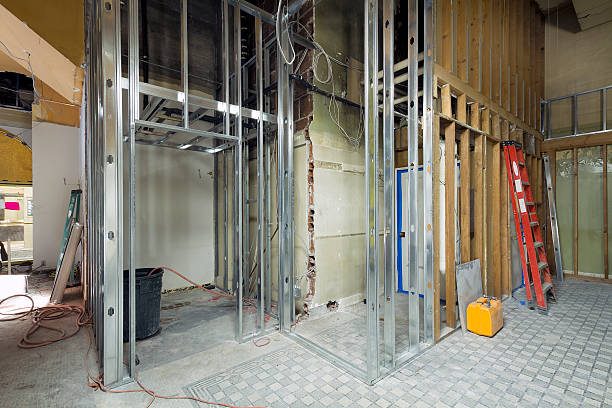
Commercial construction and remodeling can transform a business property into a more functional, attractive, and efficient space. Whether you are building a new commercial property, renovating an existing office, updating a retail location, or improving another business facility, careful planning is essential for a successful project.
Unlike residential renovations, commercial construction and remodeling often involve larger spaces, more complex requirements, business operations, permits, inspections, and detailed project coordination. Understanding the process can help business owners make better decisions and avoid unnecessary delays and expenses.
Understand Your Business Goals
Before starting a commercial construction or remodeling project, identify what you want to accomplish. Your goals may include improving workspace efficiency, updating an outdated property, expanding usable space, improving customer experience, or adapting the property to new business needs.
Clear goals provide direction for design, budgeting, material selection, and construction planning.
Establish a Realistic Project Budget
Budgeting is one of the most important parts of commercial remodeling. Your budget may include design, materials, labor, permits, demolition, construction, equipment, and other project expenses.
It is also important to plan for unexpected costs. Existing commercial properties may have hidden electrical, plumbing, structural, or other issues that become apparent during construction.
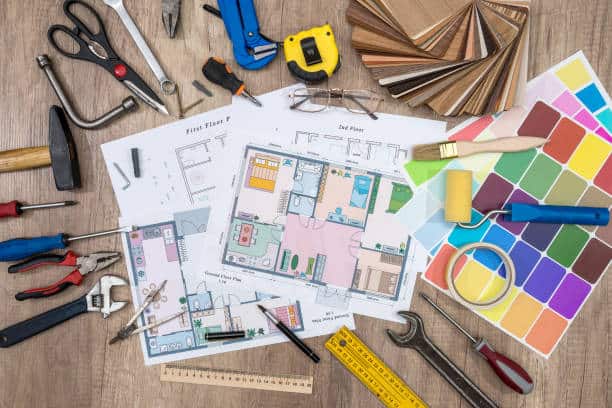
Develop a Functional Commercial Design
A successful commercial renovation should balance appearance and functionality. The design should reflect how employees, customers, tenants, and visitors will use the property.
Consider workspace layout, traffic flow, accessibility, lighting, storage, restrooms, safety, and other requirements specific to your business.
Understand Permits and Local Requirements
Commercial construction projects may require permits, inspections, and compliance with applicable building requirements. These requirements can vary depending on the location and scope of the project.
Addressing permits and approvals early can help prevent construction delays and keep the project moving according to schedule.
Choose the Right Commercial Contractor
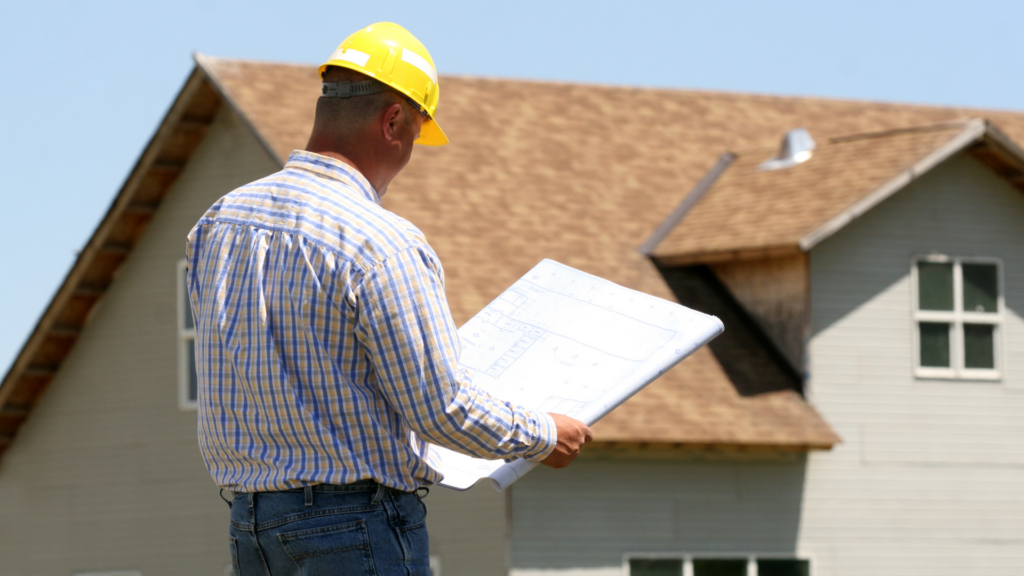
Selecting an experienced commercial construction and remodeling contractor is essential. Look for a contractor who has experience with projects similar to yours and understands commercial construction requirements.
Before hiring a contractor, review their experience, project management process, communication practices, estimated timeline, and proposed scope of work.
Create a Realistic Construction Timeline
Commercial remodeling can affect employees, customers, tenants, and daily business operations. Establishing a realistic timeline helps everyone understand when different phases of the project will take place.
Material availability, permits, inspections, design changes, and unexpected site conditions can all affect the schedule. Good project planning can help minimize unnecessary delays.
Minimize Disruption to Business Operations
Many businesses need to continue operating while construction is underway. Depending on the project, construction can be completed in phases or scheduled around business hours to reduce disruption.
Discuss operational requirements with your commercial remodeling contractor before construction begins so the project plan can account for access, safety, employees, customers, and daily activities.
Prioritize Quality and Long-Term Value
Commercial remodeling is a significant investment, so businesses should consider long-term value rather than focusing only on the initial cost.
Durable materials, quality workmanship, efficient layouts, and practical improvements can help create a property that remains functional and attractive for years while potentially reducing future maintenance needs.
Maintain Clear Communication
Communication between the business owner, contractor, designers, suppliers, and other project professionals is essential. Regular project updates can help identify potential issues, manage changes, and keep everyone informed about progress.
A clear communication process also makes it easier to address questions before they become costly problems.
Frequently Asked Questions
What is commercial construction and remodeling?
Commercial construction involves building or developing commercial properties, while commercial remodeling focuses on renovating or improving existing business spaces. Projects can include offices, retail locations, restaurants, medical facilities, and other commercial properties.
How long does a commercial remodeling project take?
The timeline depends on the size, complexity, design, permits, materials, and scope of work. Smaller projects may take several weeks, while larger commercial renovations can take several months or longer.
How much does commercial remodeling cost?
Commercial remodeling costs vary based on property size, existing conditions, materials, labor, design requirements, permits, and project complexity. A detailed assessment from a commercial contractor can provide a more accurate estimate.
Should a business stay open during construction?
Some businesses can remain open during remodeling, depending on the project. Phased construction, temporary work areas, and careful scheduling can help minimize interruptions to normal operations.
Final Thoughts
Commercial construction and remodeling require thoughtful planning, realistic budgeting, functional design, proper permitting, and experienced project management. By clearly defining your goals and working with the right commercial construction and remodeling contractor, you can reduce potential problems and create a space that supports your business.
Whether you are renovating an existing property or planning a larger commercial construction project, investing time in preparation can help deliver better results, minimize disruption, and provide long-term value for your business.