Complete Commercial Remodeling Guide for Houston Businesses
Commercial remodeling can help Houston businesses create more functional, attractive, and efficient properties. As business needs change, an outdated layout or worn interior may no longer provide the space, appearance, or functionality needed for daily operations.
Whether you are remodeling an office, retail store, restaurant, medical facility, or other commercial property, a successful renovation requires careful planning. From defining project goals to selecting materials and managing construction, every decision can affect the final result.
Start With Clear Remodeling Goals
The first step in a commercial remodeling project is identifying what you want to accomplish. Some businesses may need a complete interior renovation, while others may only require targeted improvements.
Consider whether your property needs better space utilization, updated finishes, improved employee areas, a more welcoming customer environment, additional storage, or a layout that supports business growth.
Clear goals make it easier to establish priorities and develop a practical remodeling plan.
Evaluate the Existing Commercial Property
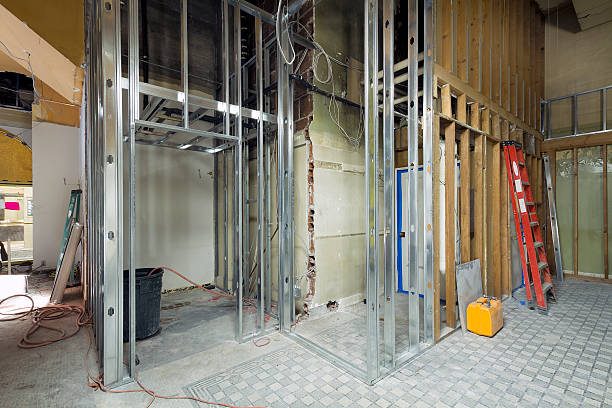
Before construction begins, evaluate the current condition of your commercial space. Examine flooring, walls, ceilings, lighting, electrical systems, plumbing, restrooms, entrances, storage areas, and other important features.
You should also consider how employees, customers, visitors, equipment, and supplies move through the property. Identifying inefficient areas can help determine where remodeling can provide the greatest benefit.
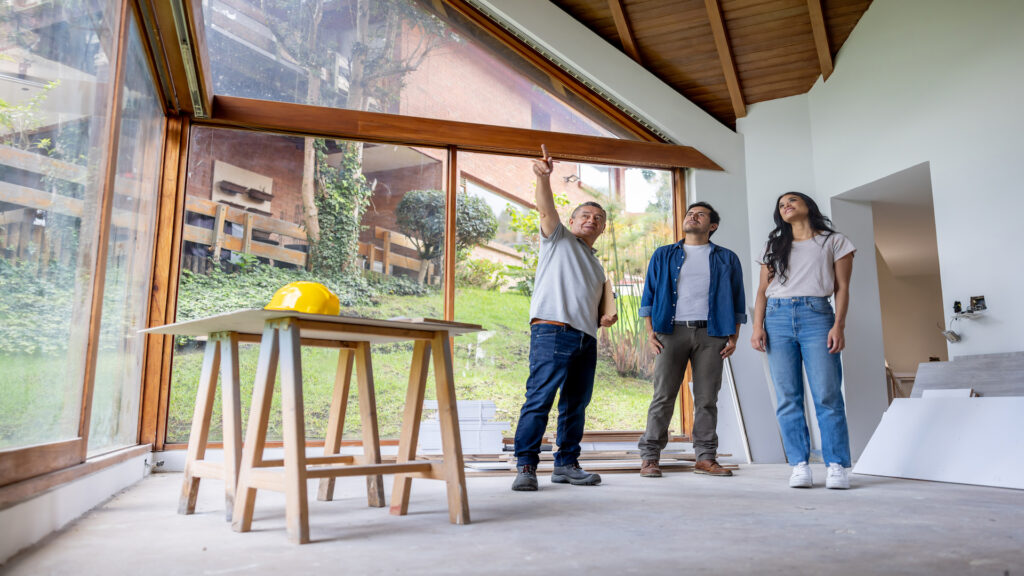
An experienced commercial remodeling contractor can help assess the existing space and recommend appropriate improvements.
Focus on Effective Space Planning
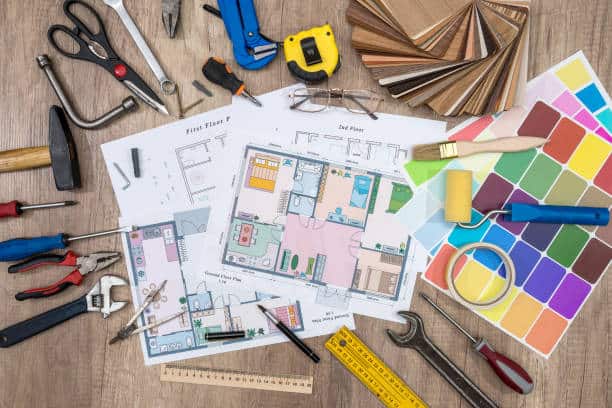
Space planning is a major part of commercial remodeling. A well-designed layout can improve workflow, traffic flow, employee productivity, and customer convenience.
For offices, this could involve reorganizing workstations, conference rooms, private offices, and collaborative areas. Retail businesses may focus on customer circulation and display areas, while restaurants may need better arrangements for dining and operational spaces.
Making better use of existing square footage can improve functionality without necessarily expanding the building.
Create a Realistic Remodeling Budget
Budgeting should be addressed before major remodeling decisions are finalized. Commercial remodeling costs can vary depending on property size, project scope, materials, labor, design changes, and building system upgrades.
Prioritize essential improvements and identify optional features separately. It is also important to consider long-term maintenance, durability, and operating costs when choosing materials and systems.
A clearly defined scope of work can help reduce unexpected changes and keep the project financially organized.
Select Durable Commercial Materials
Commercial properties experience regular foot traffic and daily use, making durability an important consideration. Flooring, wall finishes, ceilings, doors, countertops, and other materials should be selected according to the type of business and expected usage.
Easy-to-maintain and commercial-grade materials can help preserve the appearance of the property while reducing future maintenance requirements.
Material choices should also complement the overall design and create a consistent look throughout the space.
Upgrade Lighting and Interior Features
Modern lighting can improve both the appearance and functionality of a commercial property. Different lighting solutions can be used for work areas, reception spaces, conference rooms, hallways, customer areas, and product displays.
Businesses can also update ceilings, wall finishes, reception desks, doors, built-in storage, and other interior features during remodeling.
Energy-efficient lighting may provide additional long-term benefits by improving efficiency and reducing unnecessary energy consumption.
Improve the Customer Experience
A commercial property often communicates a business’s brand before customers interact with its employees. An attractive and organized interior can create a stronger first impression.
Reception areas, waiting spaces, customer pathways, restrooms, displays, lighting, and finishes should be designed with visitors in mind. A clean and functional environment can make customers feel more comfortable while supporting the overall image of the business.
Create Better Employee Workspaces
Employees spend significant time inside commercial properties, so remodeling should also focus on workplace functionality and comfort.
Improved layouts, appropriate lighting, comfortable work areas, meeting spaces, storage, and efficient circulation can create an environment that better supports daily responsibilities.
A well-designed workspace can also make it easier for teams to collaborate and adapt as business needs change.
Plan Around Business Operations
Construction can disrupt normal business activities if it is not carefully scheduled. Businesses should work with their remodeling contractor to determine how construction will affect employees, customers, equipment, and daily operations.
Depending on the project, construction may be completed in phases so important areas remain accessible.
Discuss work schedules, temporary workspaces, access routes, noise, dust control, safety, and customer access before construction starts. Proper planning can help minimize unnecessary disruption.
Consider Accessibility and Safety
Accessibility and safety should be incorporated into the remodeling process from the beginning. Entrances, pathways, restrooms, doors, flooring, lighting, and common areas should be evaluated according to applicable requirements and the needs of people using the property.
Planning these improvements early can help create a safer, more accessible, and more comfortable commercial environment.
Understand Permits and Project Requirements
Commercial remodeling projects may require permits or approvals depending on the type and scope of work. Structural modifications, electrical work, plumbing, mechanical systems, and other improvements may have specific requirements.
Before beginning construction in Houston, businesses should work with qualified professionals to understand which requirements apply to their particular property and project.
Proper preparation can help prevent avoidable delays during construction.
Work With a Commercial Remodeling Contractor
Selecting the right commercial remodeling contractor is an important part of the project. Look for a contractor with experience handling commercial properties and projects similar to your business needs.
A qualified contractor can help with property evaluation, planning, material selection, construction coordination, scheduling, and project management.
Clear communication between the business owner and contractor can also help keep the project aligned with the agreed scope, budget, timeline, and quality expectations.
FAQ
What businesses can benefit from commercial remodeling in Houston?
Offices, retail stores, restaurants, medical facilities, professional businesses, and other commercial properties can benefit from remodeling when their existing spaces no longer meet operational, employee, or customer needs.
How do I start a commercial remodeling project?
Begin by identifying your goals, evaluating the existing property, defining the project scope, setting a realistic budget, and creating a practical design and construction plan.
How can commercial remodeling improve a Houston business?
Commercial remodeling can improve space utilization, workflow, appearance, employee comfort, customer experience, accessibility, and the overall functionality of a commercial property.
How can businesses minimize disruption during remodeling?
Phased construction, detailed scheduling, temporary work areas, and clear communication can help reduce disruption to normal business operations.
Final Thoughts
Commercial remodeling gives Houston businesses an opportunity to modernize their properties while improving functionality and long-term usability. From space planning and durable materials to lighting, accessibility, and workplace improvements, each part of the renovation should support the needs of the business.
With clear objectives, realistic budgeting, careful scheduling, and an experienced commercial remodeling contractor, Houston businesses can transform existing properties into efficient, attractive spaces designed to support customers, employees, and future growth.